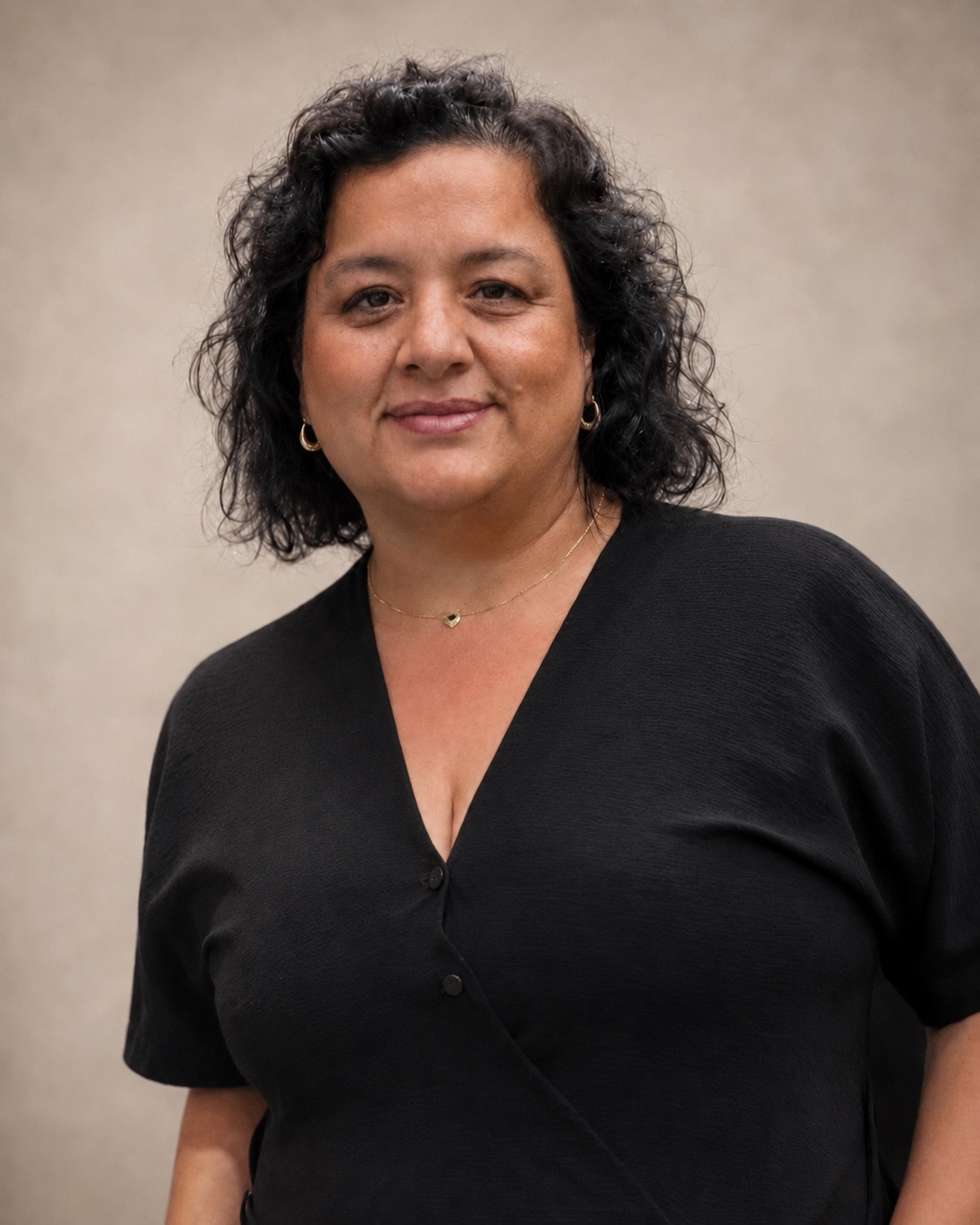
President
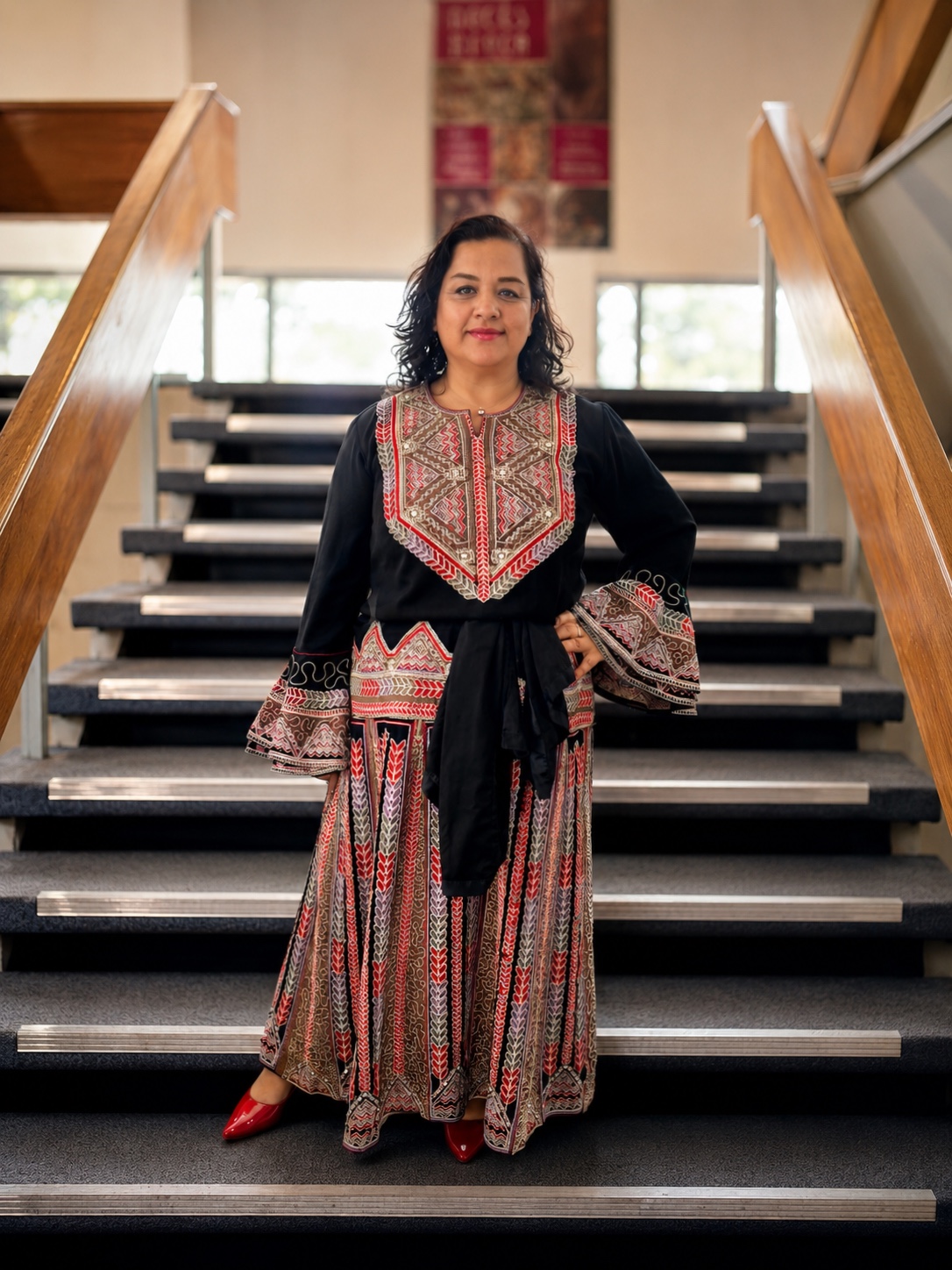
Verónica Bravo Boggioni
Commercial Engineer
Community · Culture · Tradition
A gathering place to celebrate, share and keep the richness of Arab culture alive in northern Chile.
Our essence
Roots we preserve and share with new generations.
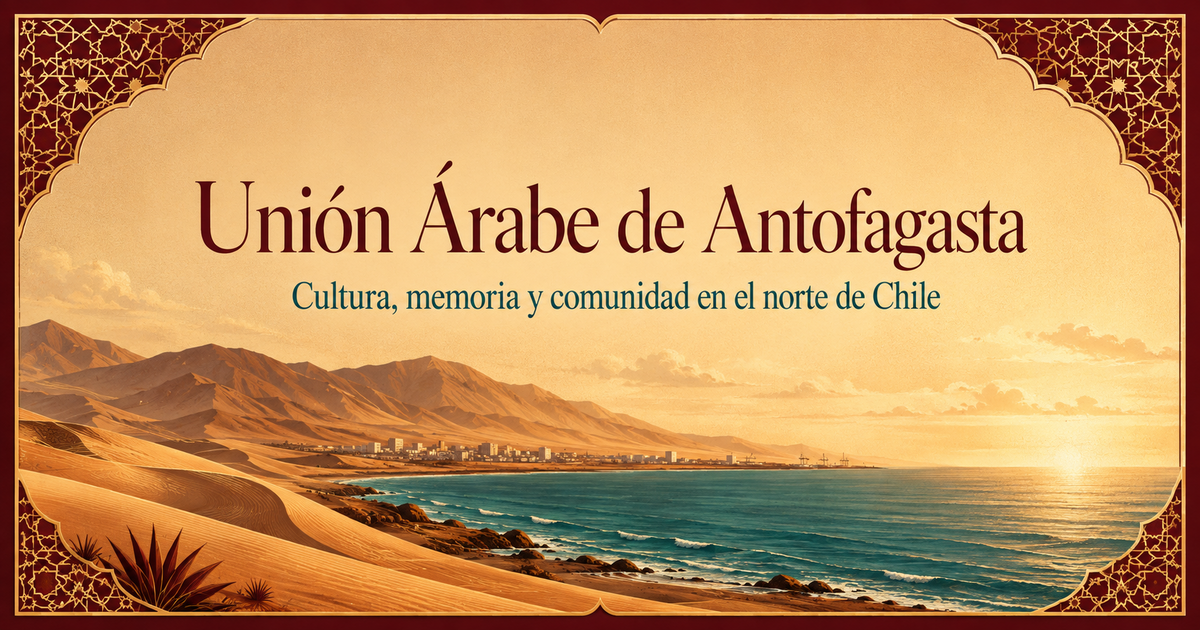
La Portada · From Antofagasta, with memory and a future
Who we are
Unión Árabe de Antofagasta brings together descendants of Palestinians, Lebanese and Syrians, their families and new generations around Arab cultural heritage. We create gathering opportunities open to the community.
Our history
The first Syrian, Palestinian and Lebanese immigrants arrived in Antofagasta in the late nineteenth century, at the height of the nitrate boom. Most of them worked in trade, and they soon formed an active community in the port and in the nitrate towns.
In 1908 they founded the Club Sirio Palestino de Antofagasta, one of the first Arab institutions in Chile. Families such as the Zalaquetts took part in it, along with figures like the poet Jean Zalaquett and Mary Yanni de Atala. By 1931, the Lebanese Ladies' Society was also active.
Over the years, the club became inactive and lost the property it owned in the city. But the community never stopped coming together.
In 1983, the Festival of Foreign Communities of Antofagasta was born. Descendants of Syrians, Palestinians and Lebanese organized once again to take part, and from that effort the Al Ard al Baiida Ballet was born.
In 1985, Unión Árabe de Antofagasta was founded as the heir to the old Club Sirio Palestino. Its roots therefore go back to 1908, placing it among the oldest Arab institutions in the country.
Its past presidents include Yimha Chariff Tala Zalaquett, Talep García, José Facusse, Michel Calas Chamme, Armando Bravo Halabi and Rodrigo Farías, among others. Today it is led by Verónica Bravo Boggioni.
Today, Unión Árabe keeps this legacy alive through its ballet, its commemorations and its role in the cultural life of Antofagasta.
Our organization
Meet those who lead and represent our community.
President
Commercial Engineer
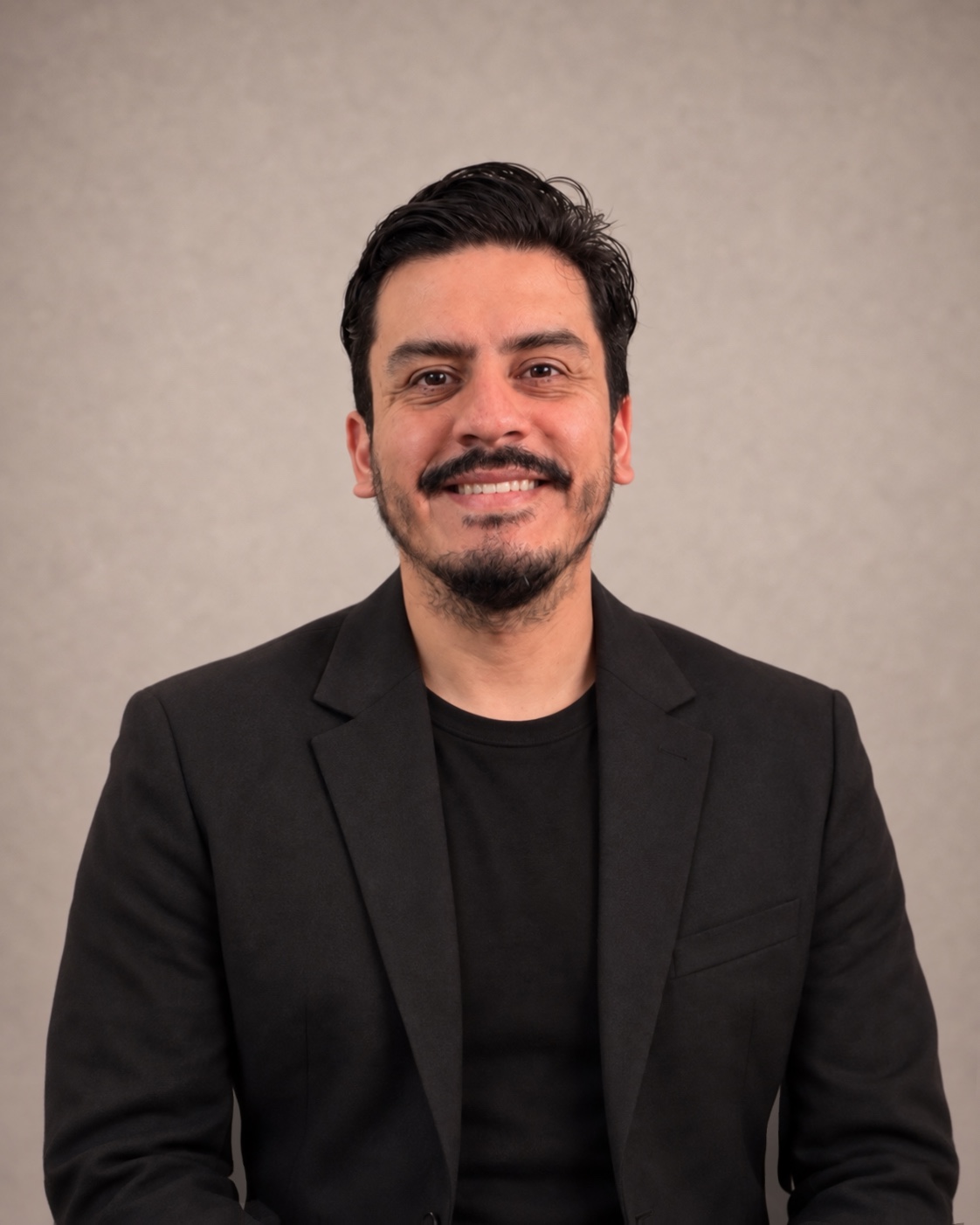
Vice President
Architect
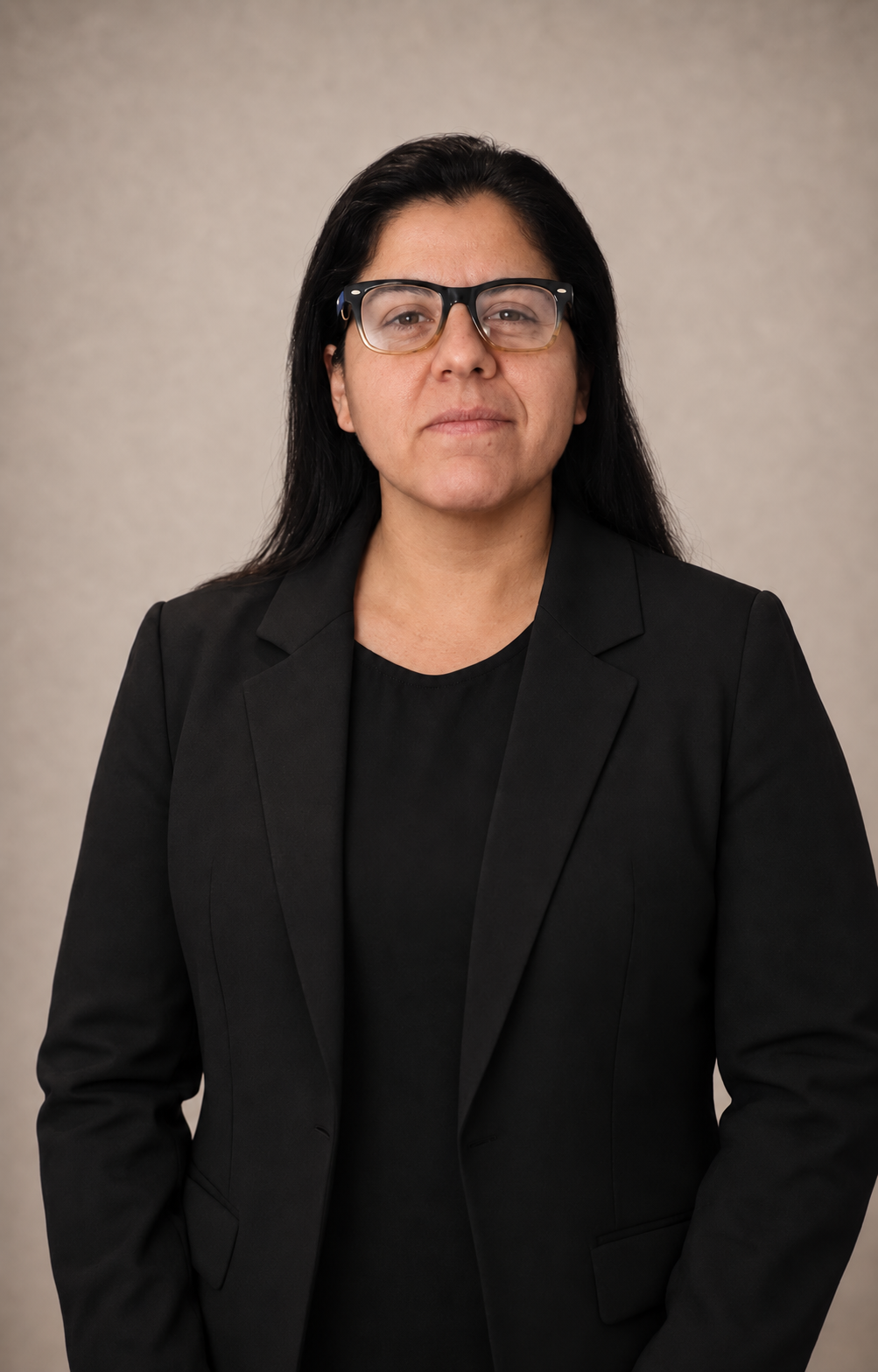
Treasurer
Teacher
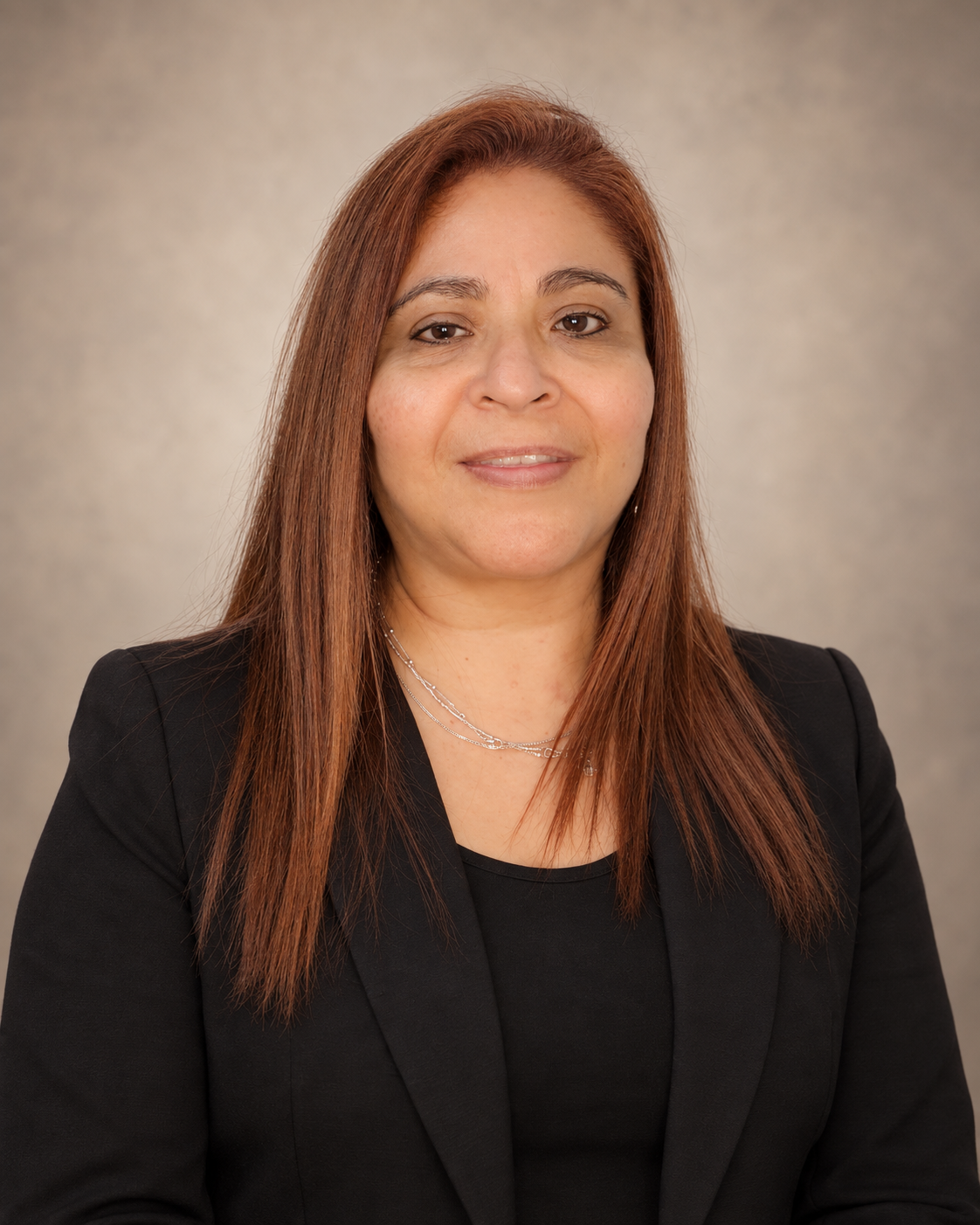
Assistant Treasurer
Self-employed
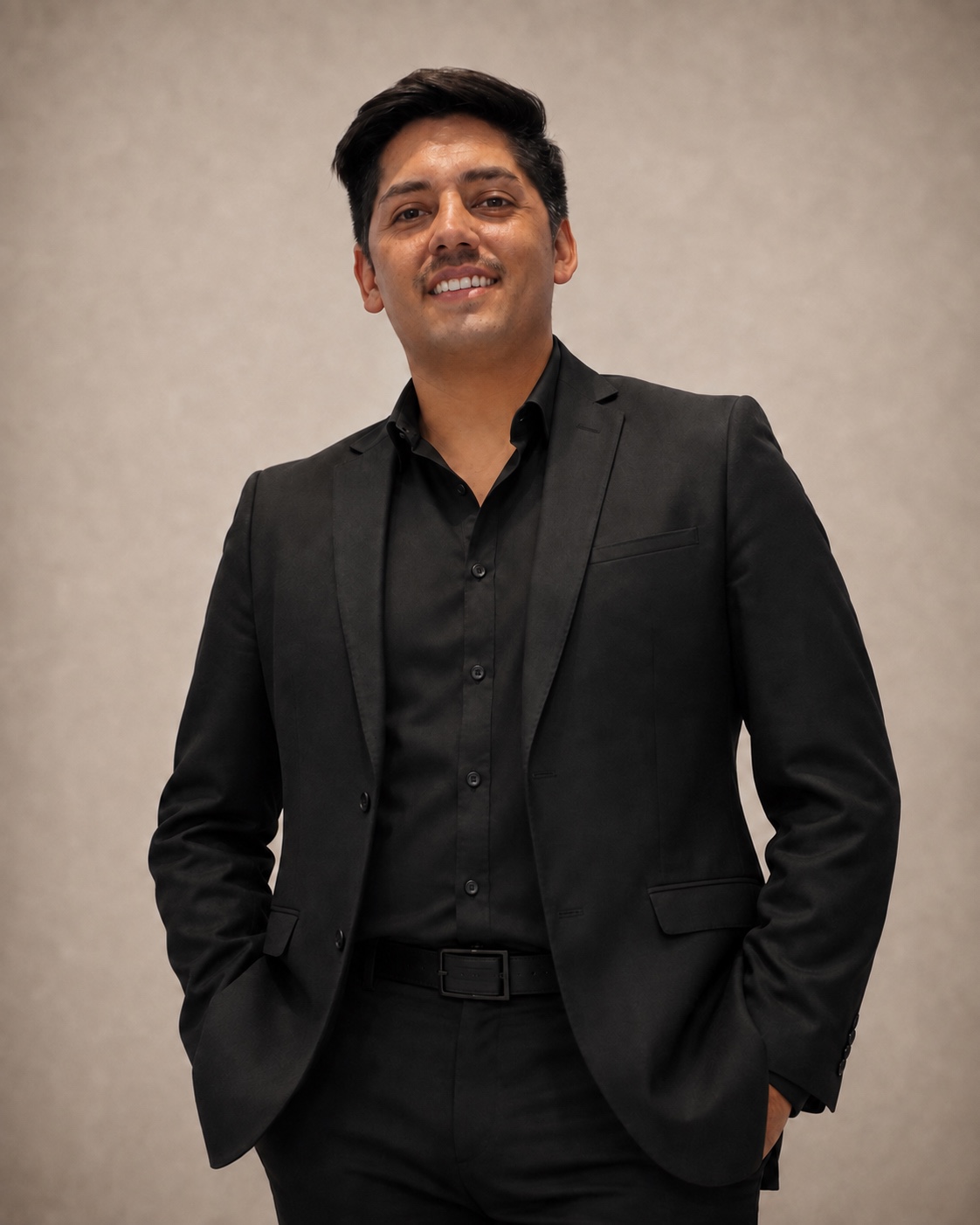
Secretary
Counter Manager
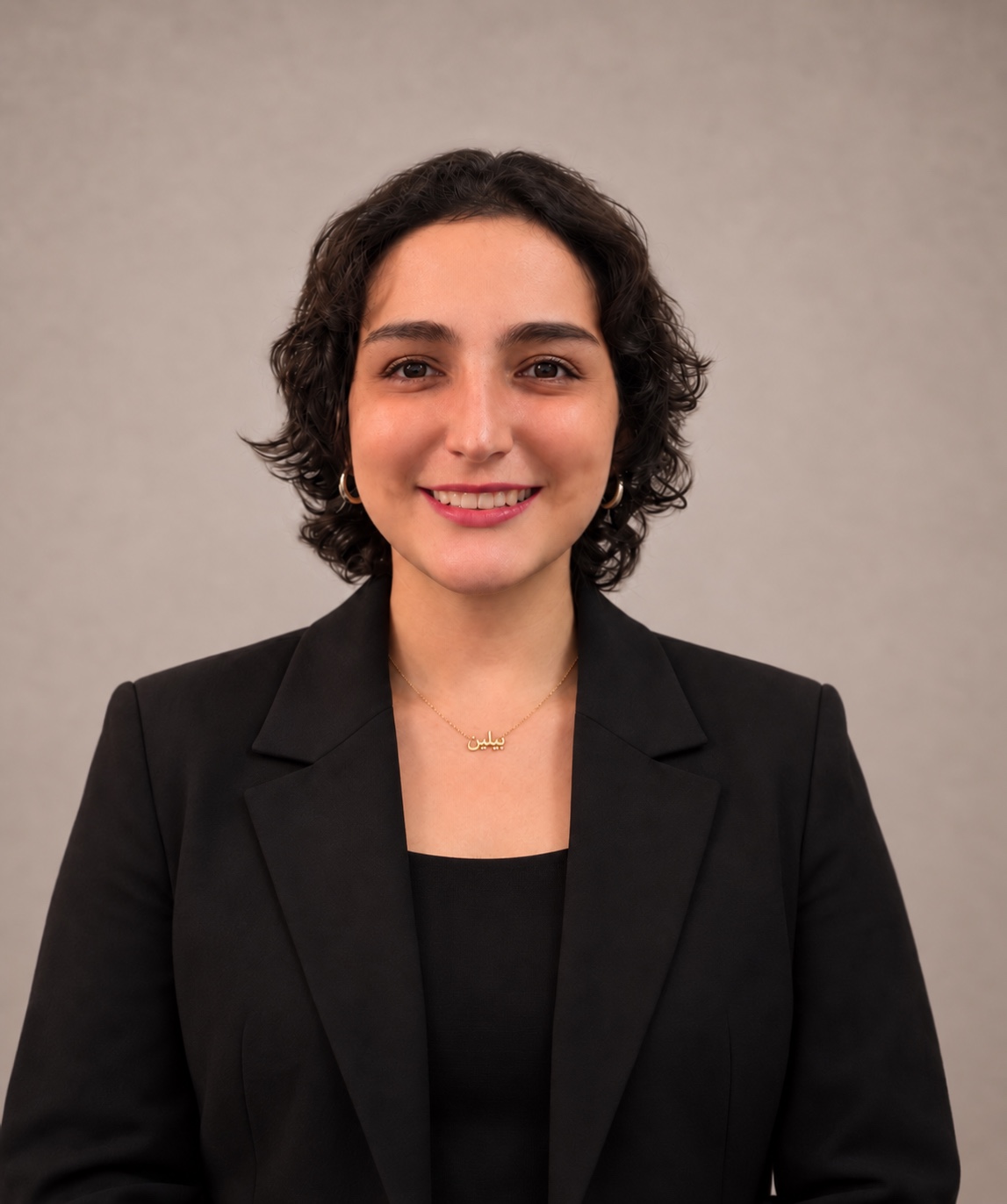
Assistant Secretary
Engineer
Heritage in motion
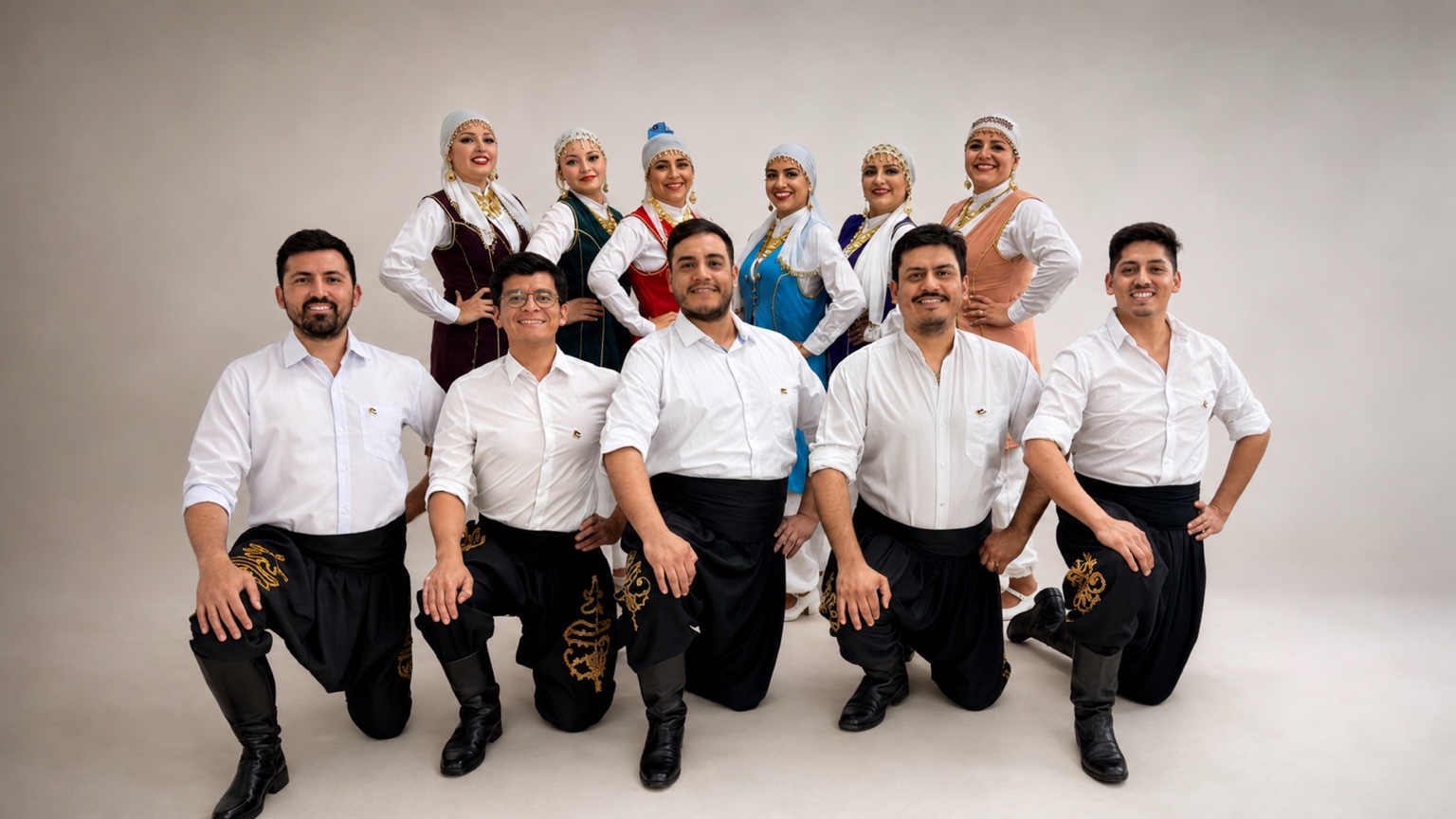
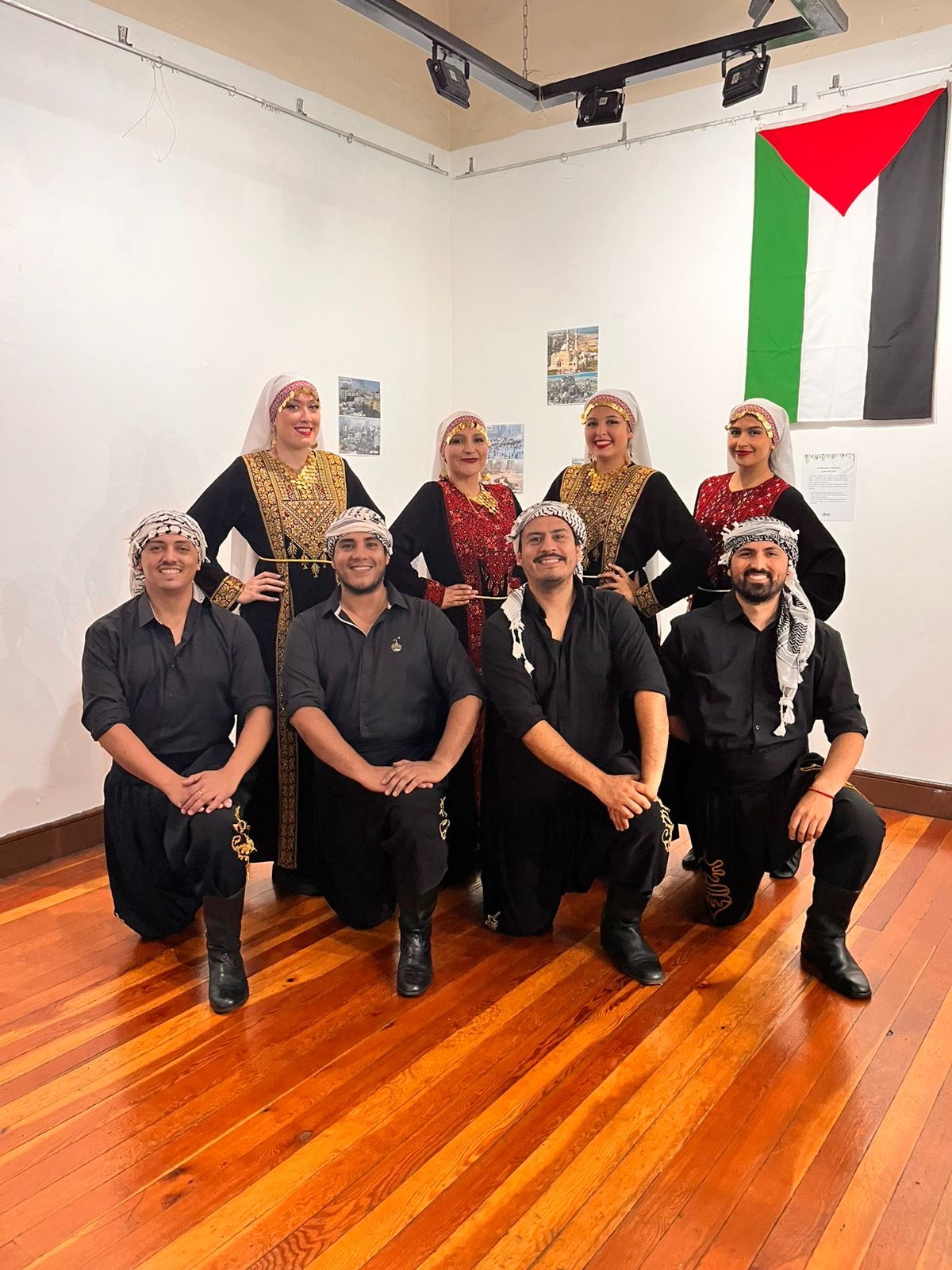
Al Ard al Baiida means “The Distant Land.” The group was formally established in Antofagasta in 1983 for the Festival of Foreign Communities, thanks to the dedication of Arab descendants and admirers of this culture who found in dance a way to honor their roots and share them with new generations.
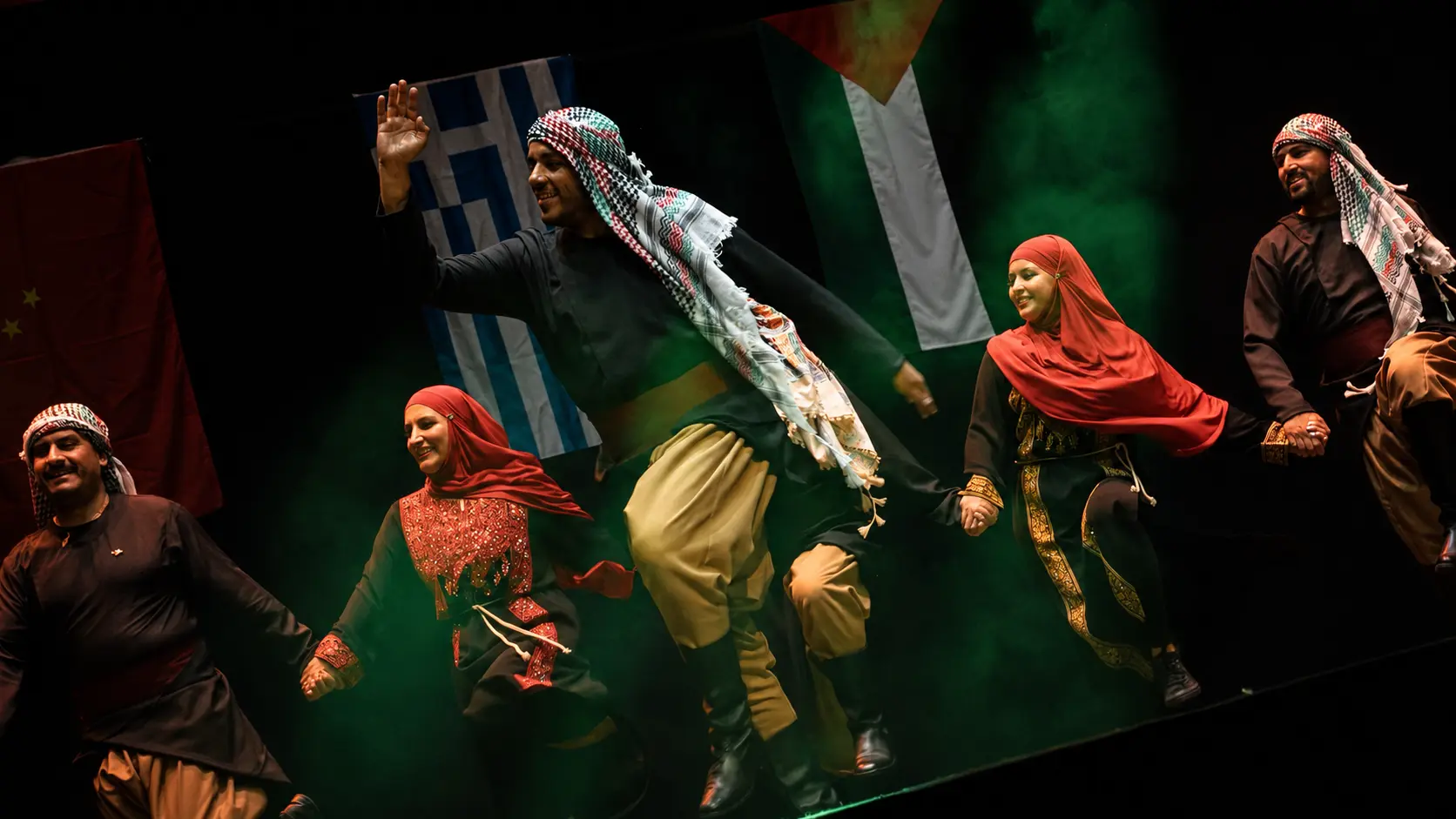
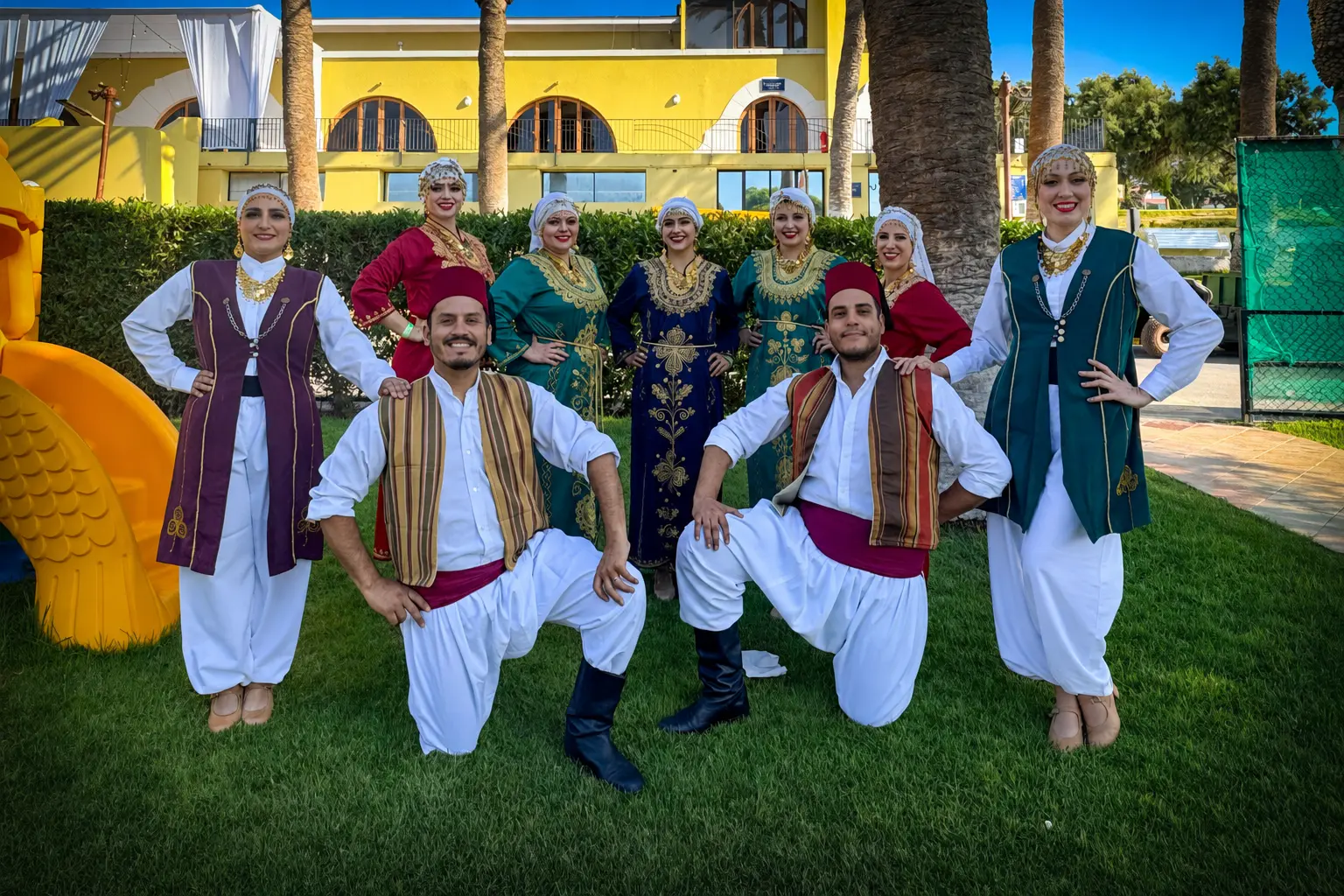
Since then, the group has recovered, preserved and shared the dance and musical traditions of the Arab world. Its repertoire spans North Africa, the Levant and the Gulf, with dabke as one of its central expressions: a collective dance that builds bridges between East and West and reveals the diversity, strength and joy of this cultural heritage.
The Federation of Arab Organizations of Chile, FEARAB, granted it the title “Chilean-Arab National Ballet” in recognition of its history and deep commitment to the customs and traditions of Arab countries.
Over more than four decades, the ballet has had several directors. It was founded by directors Basma Tala and Alicia Siede; it was later led by Jalil Ahure and Aisha Ahure, and then by Rodrigo Farías. Among its milestones is also the institutional cooperation that helped found the Ballet Al Helm Al Arabi in Iquique. Today, under the artistic direction of Mario Morales Olivares, Al Ard al Baiida continues to train new generations and keep this heritage alive on every stage.
Artistic directorMario Morales Olivares
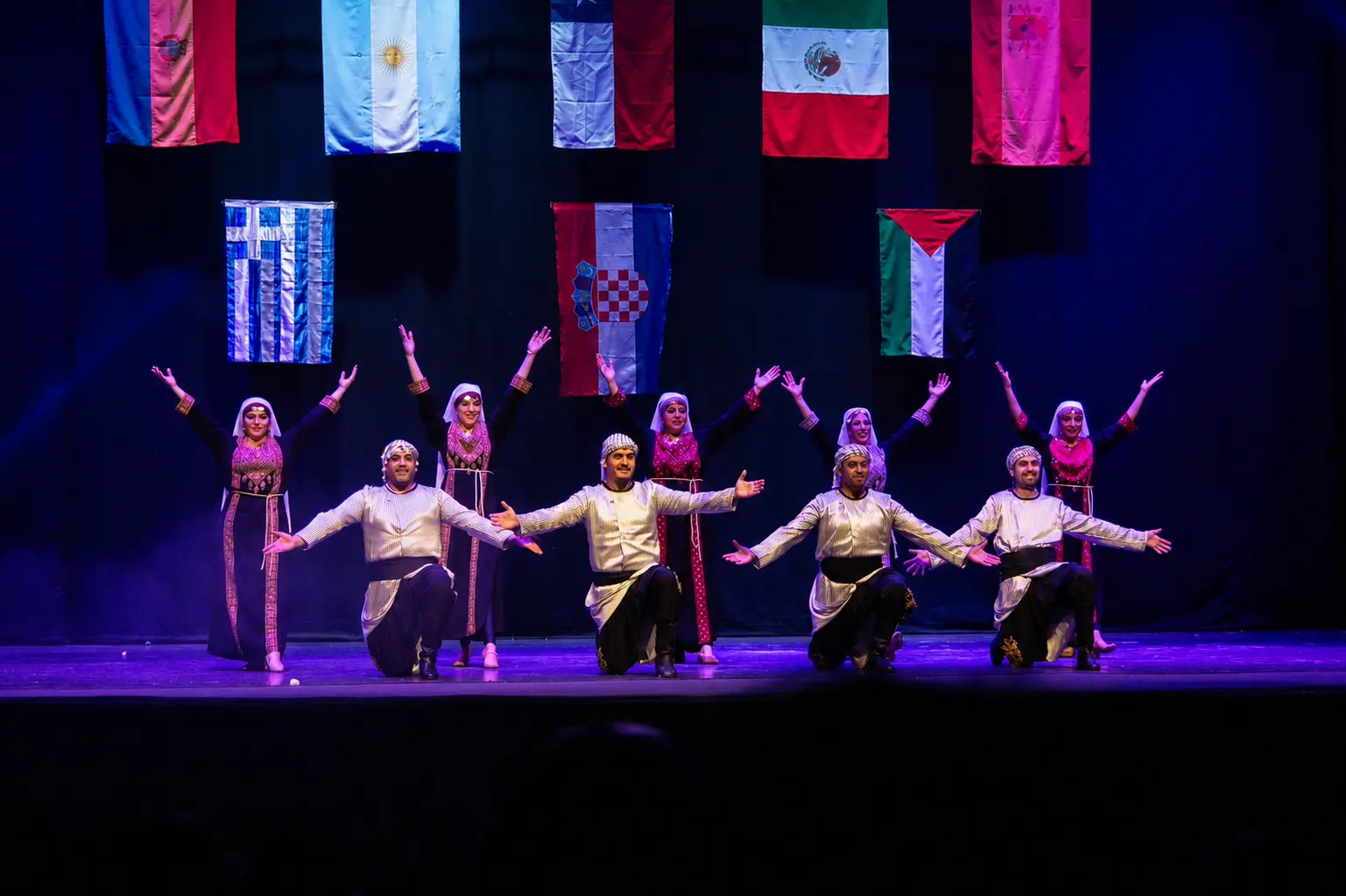
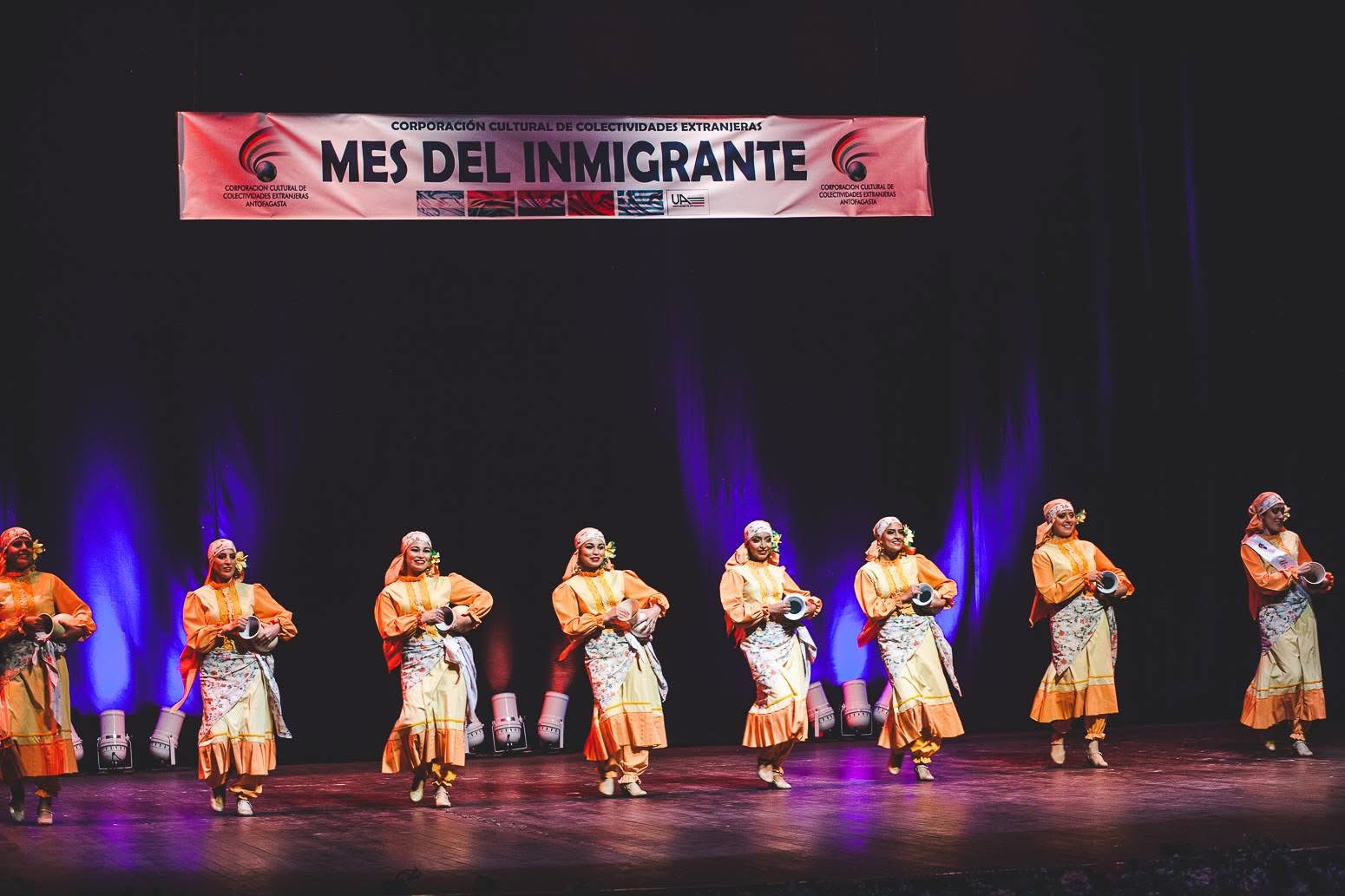
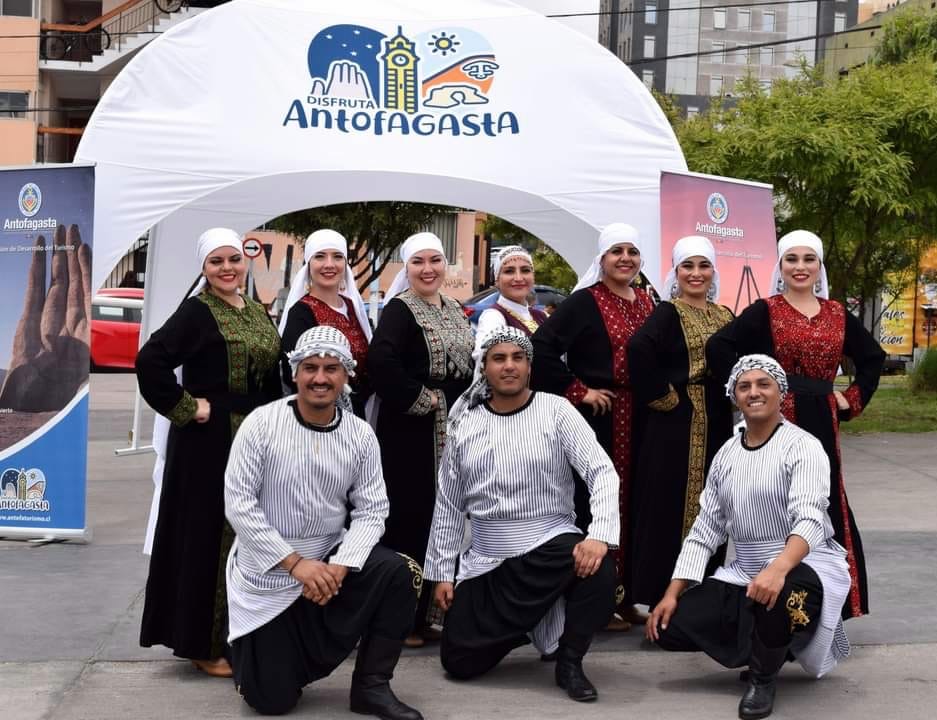
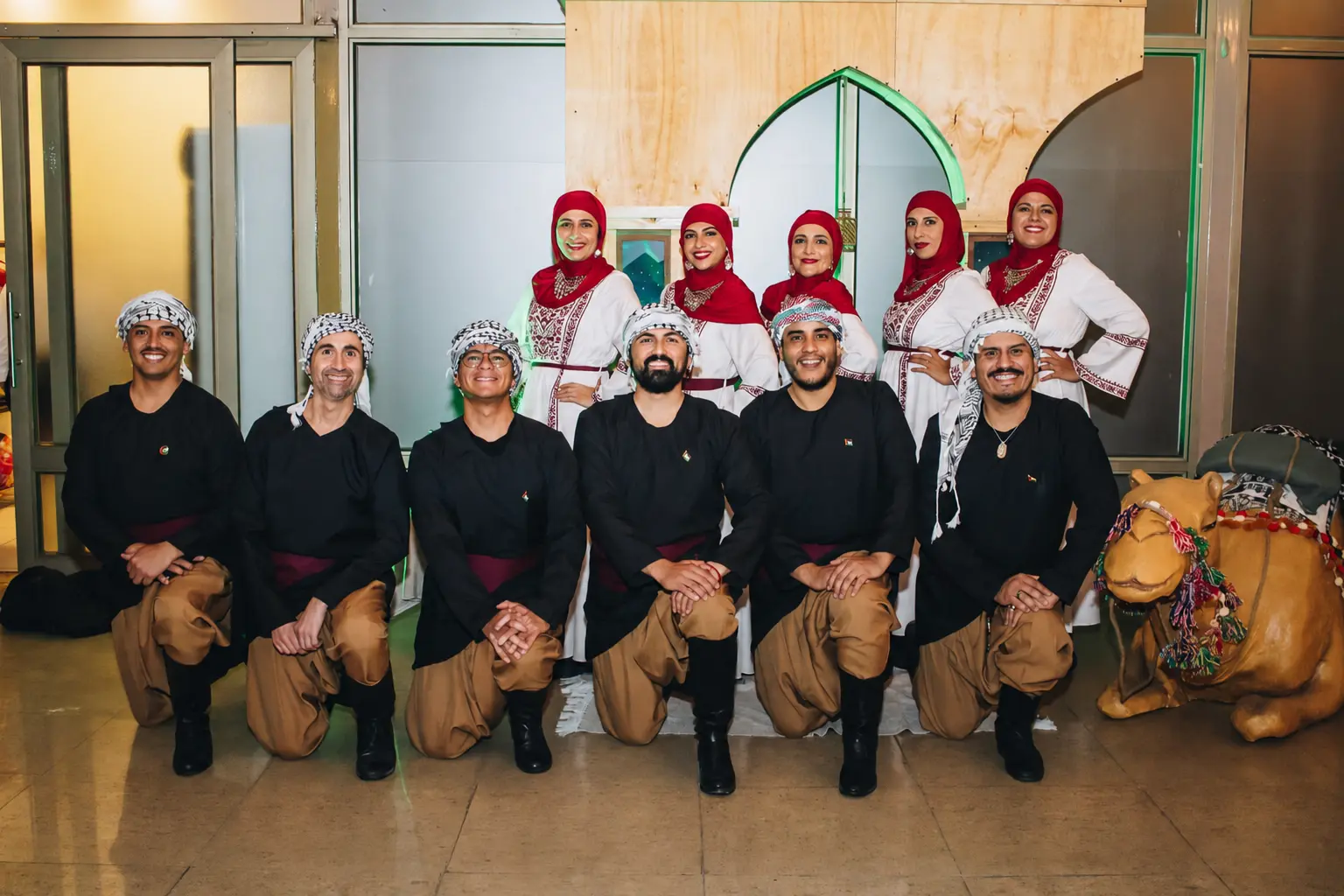
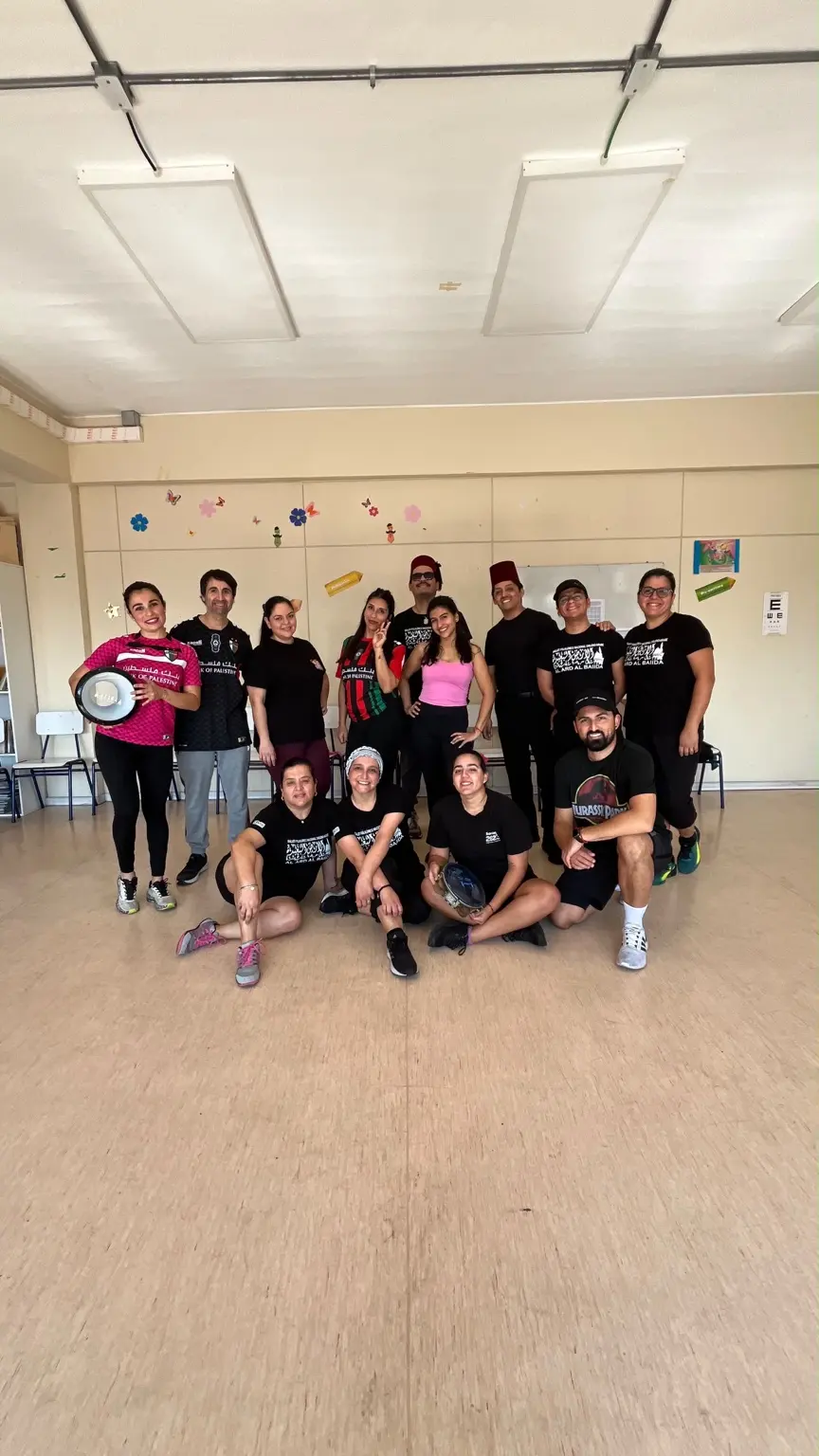
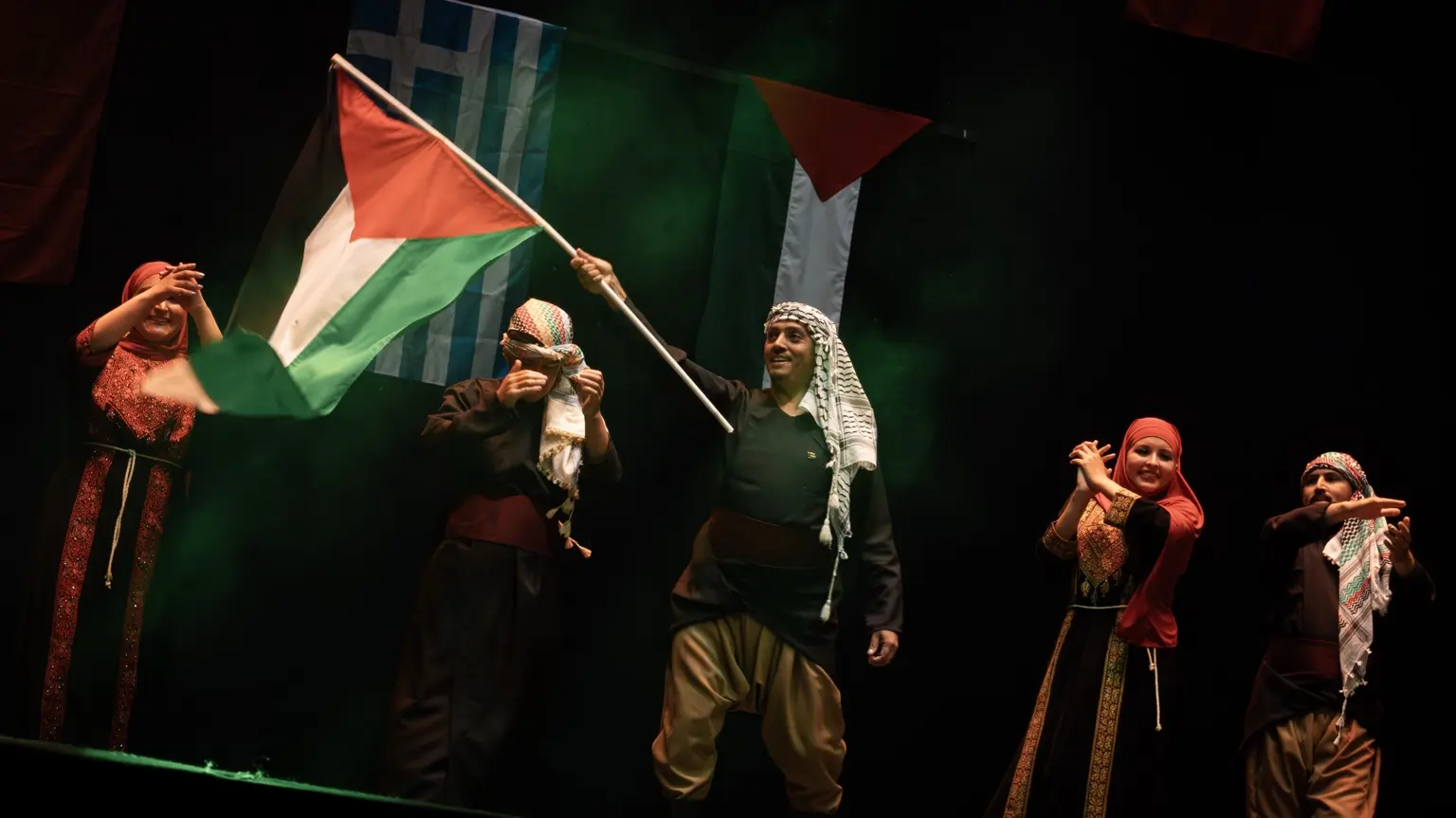
Dabke in pictures
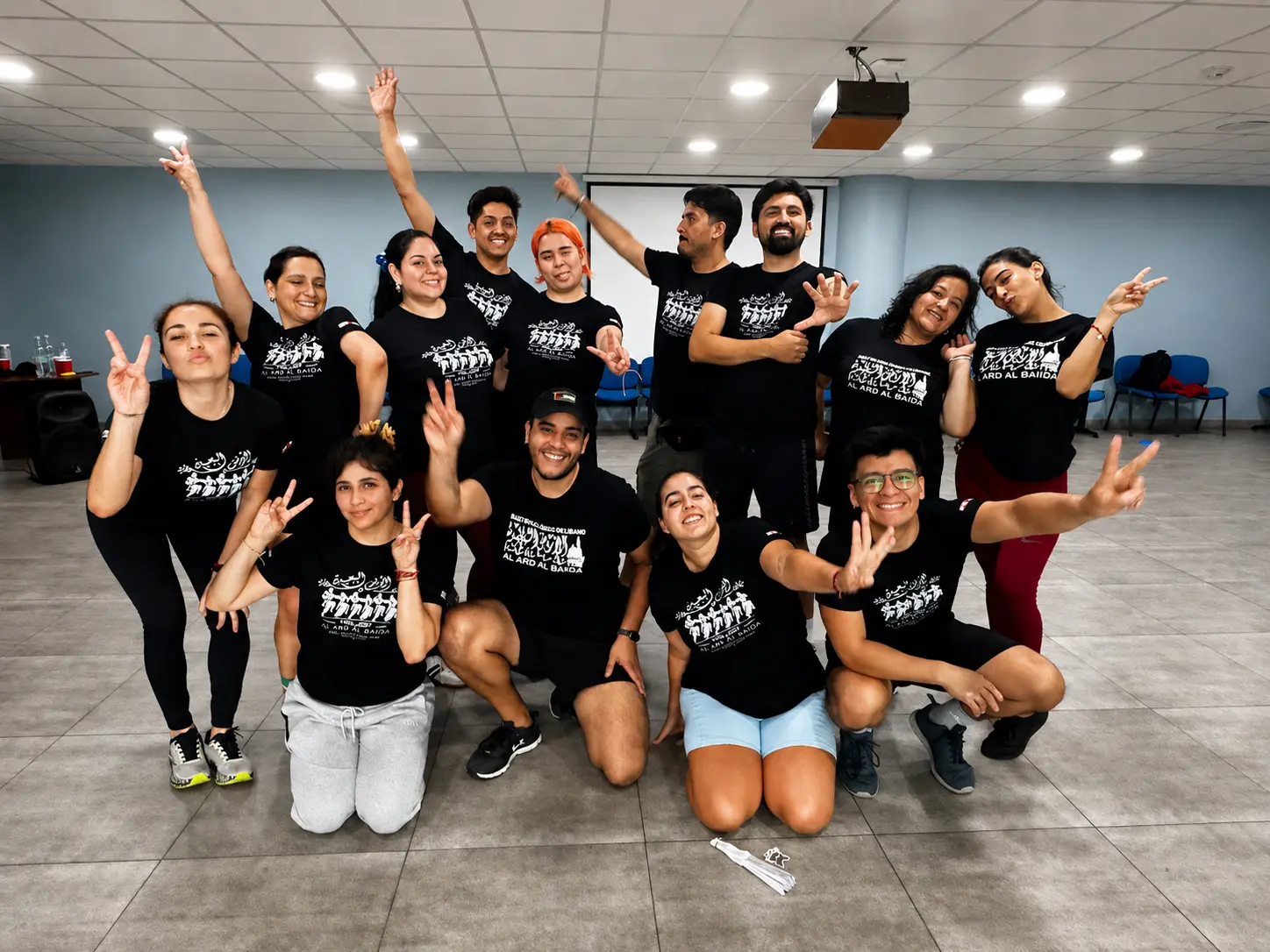
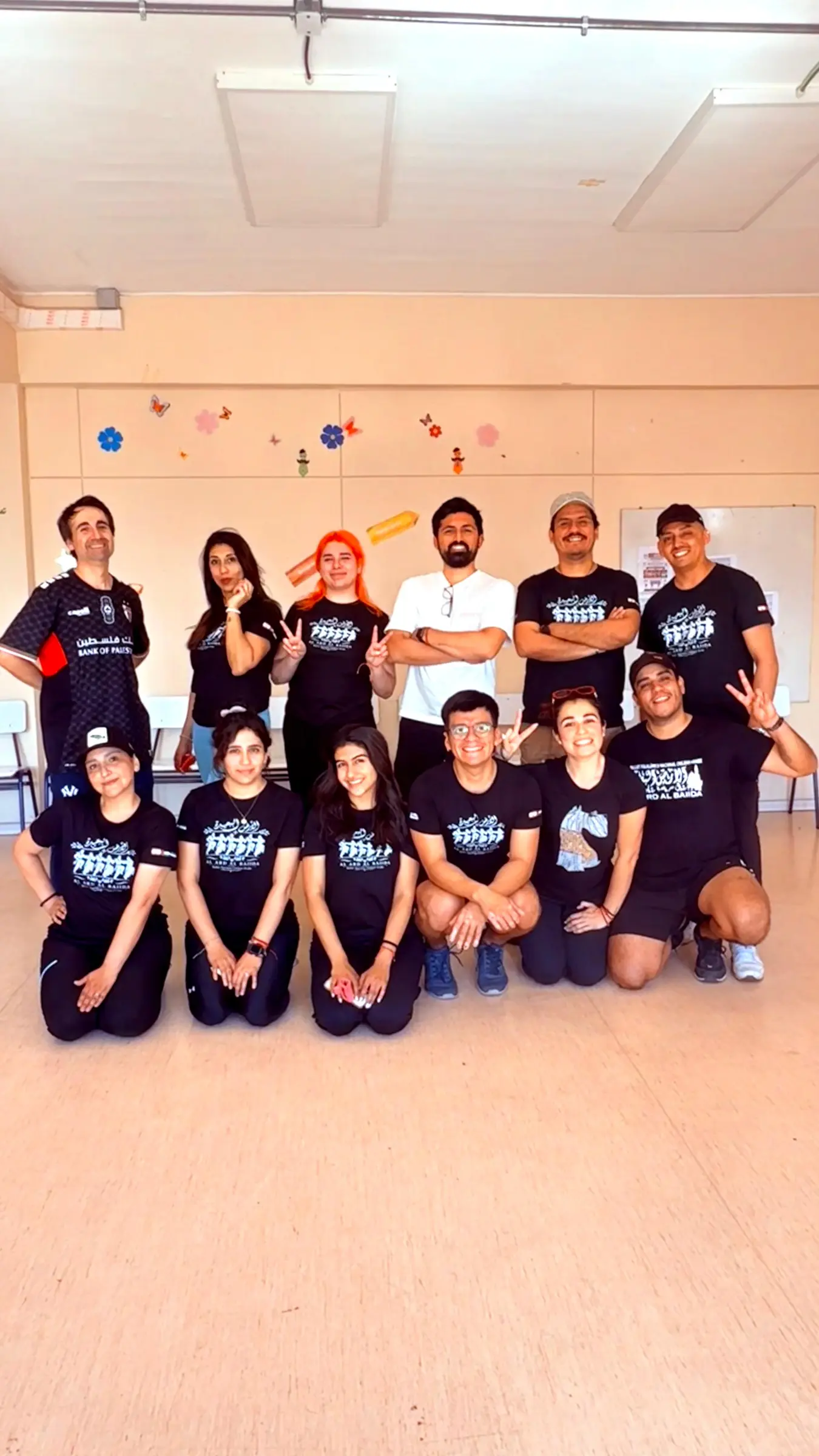
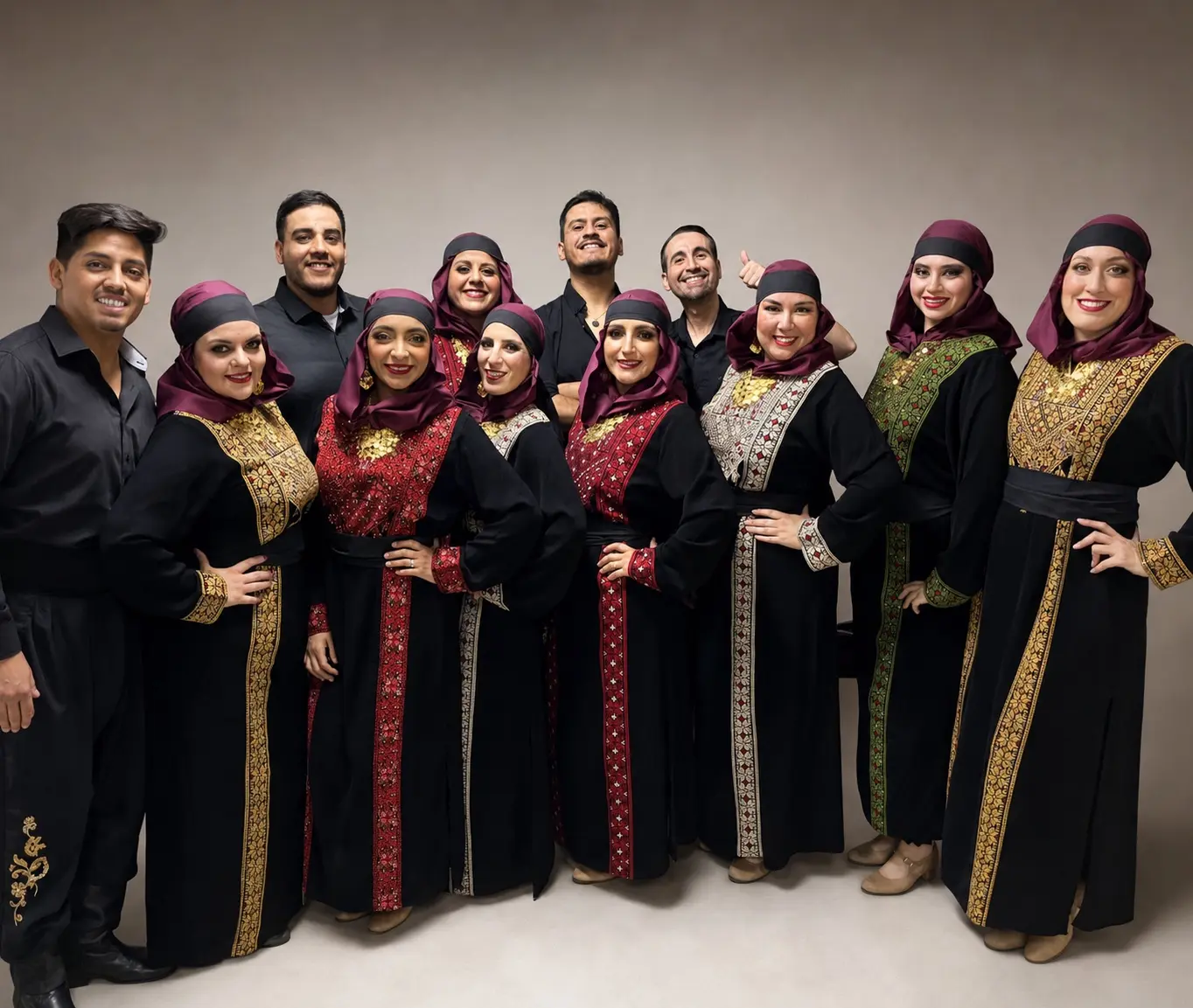
Performances, costumes, gatherings and rehearsals of the Chilean-Arab National Ballet Al Ard al Baiida.
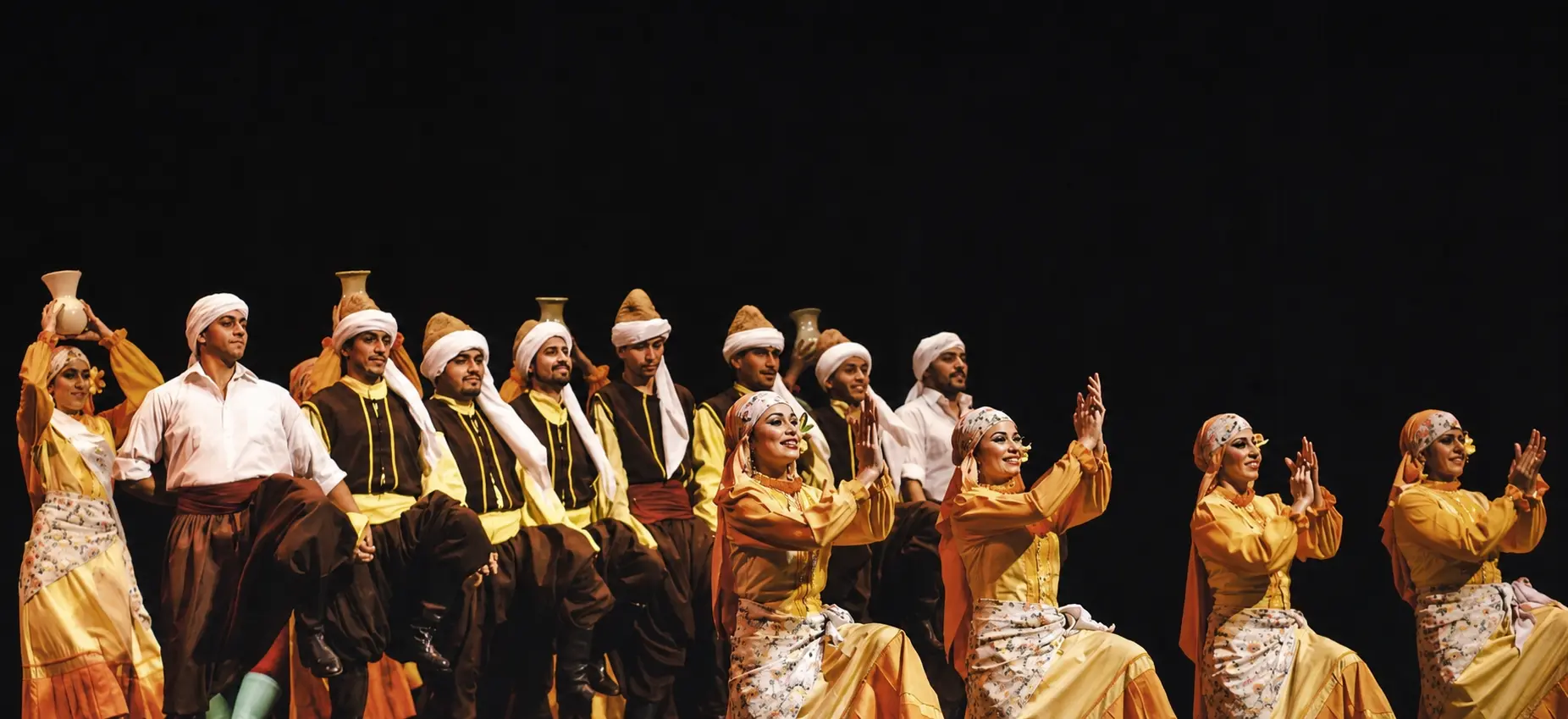 Stage performance
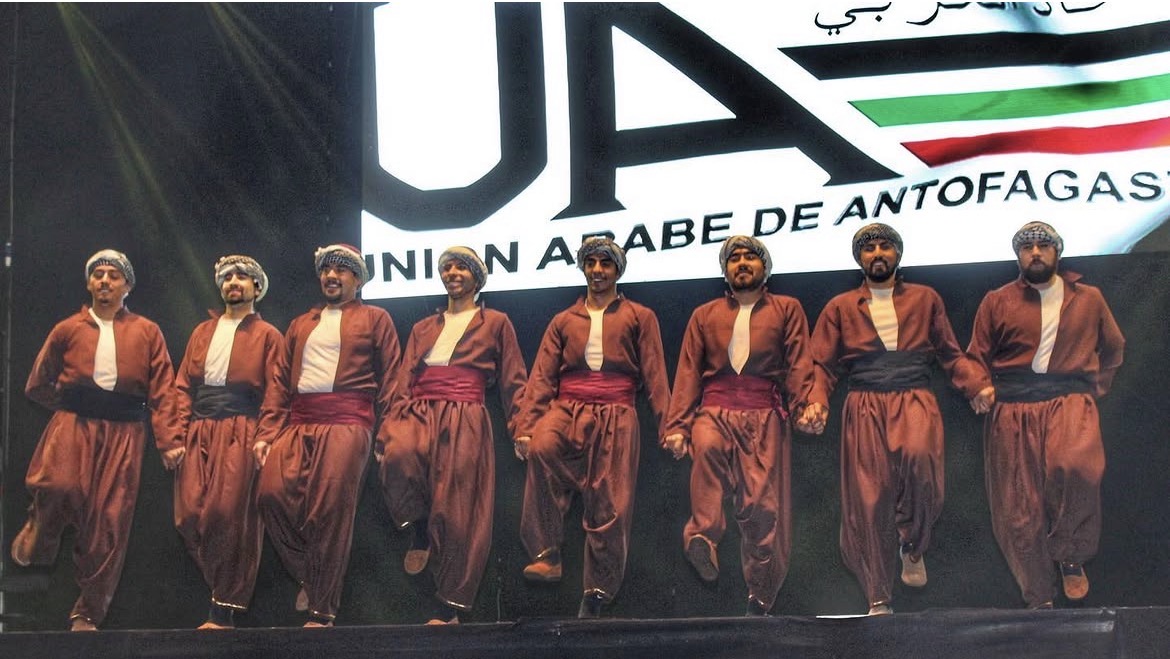
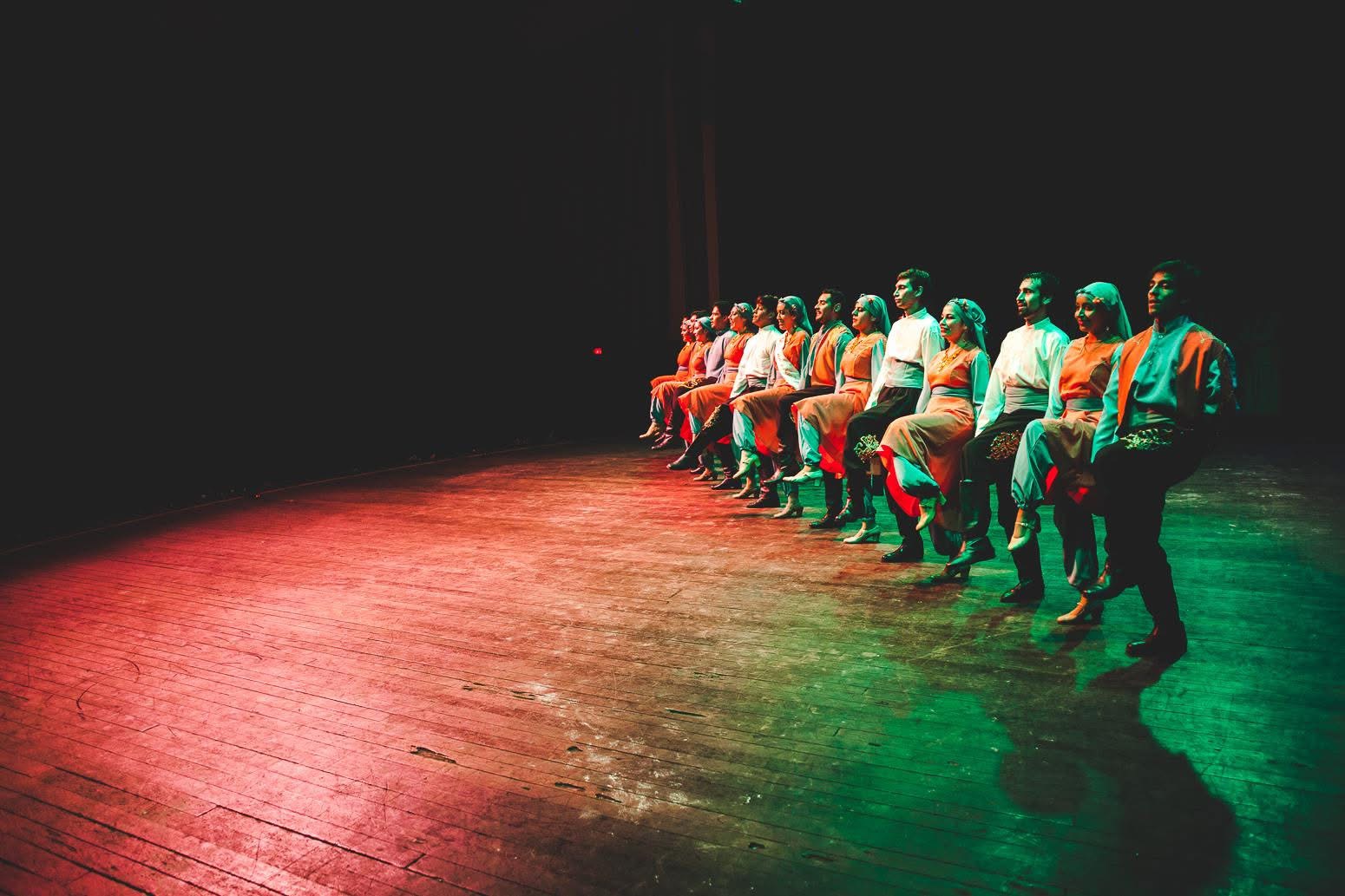
 Cultural gathering
 Our cast
 Rehearsal sessions
 Collective strength
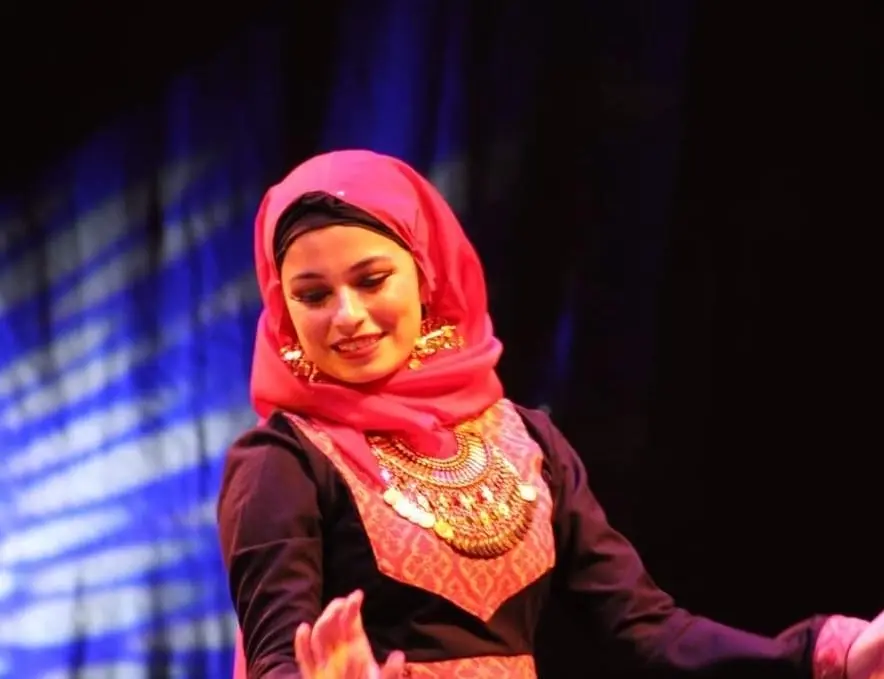
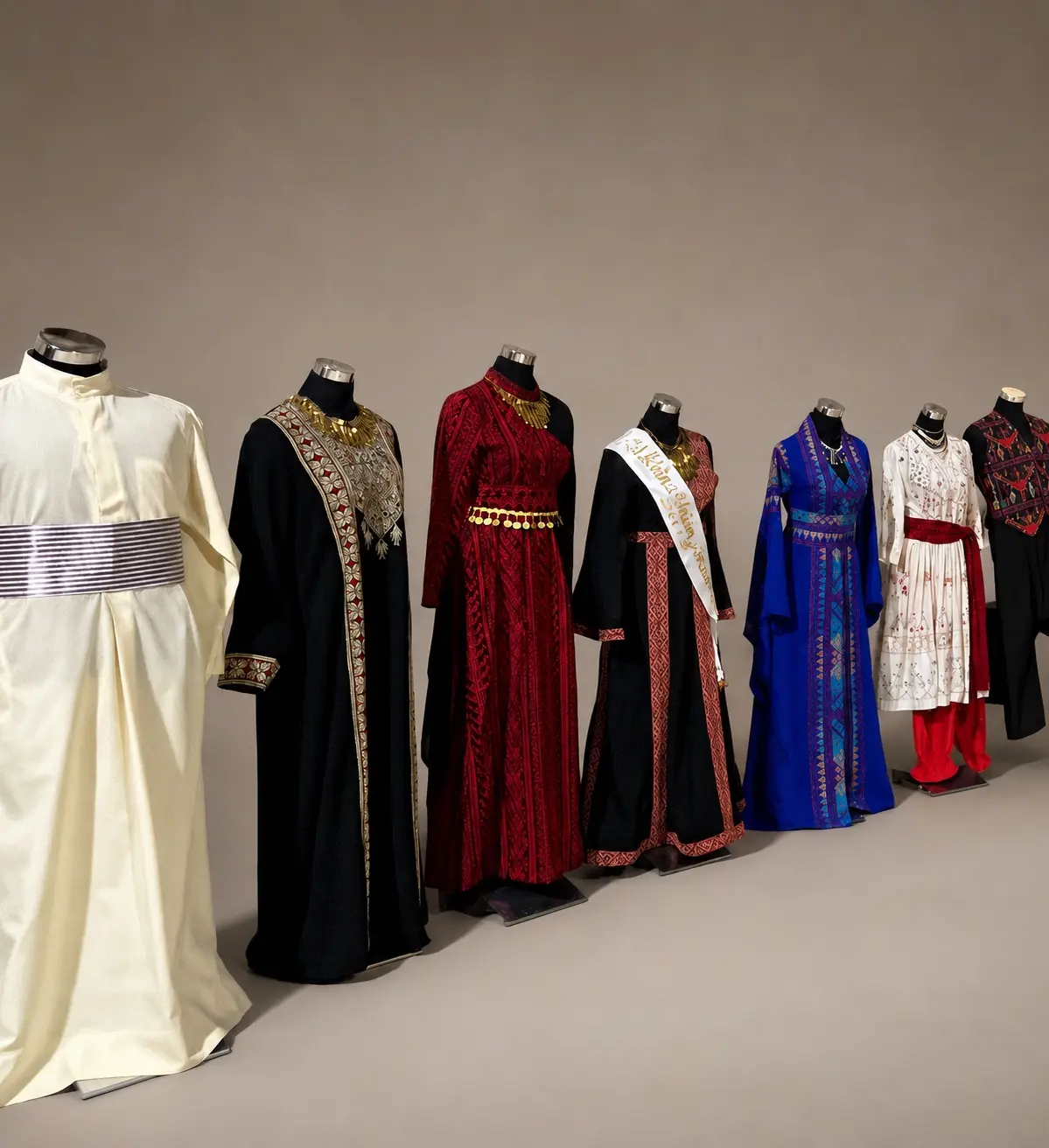
 Costume and tradition
Our calendar
Gatherings to share our culture, traditions and community life in Antofagasta.
Saturday, September 26, 2026
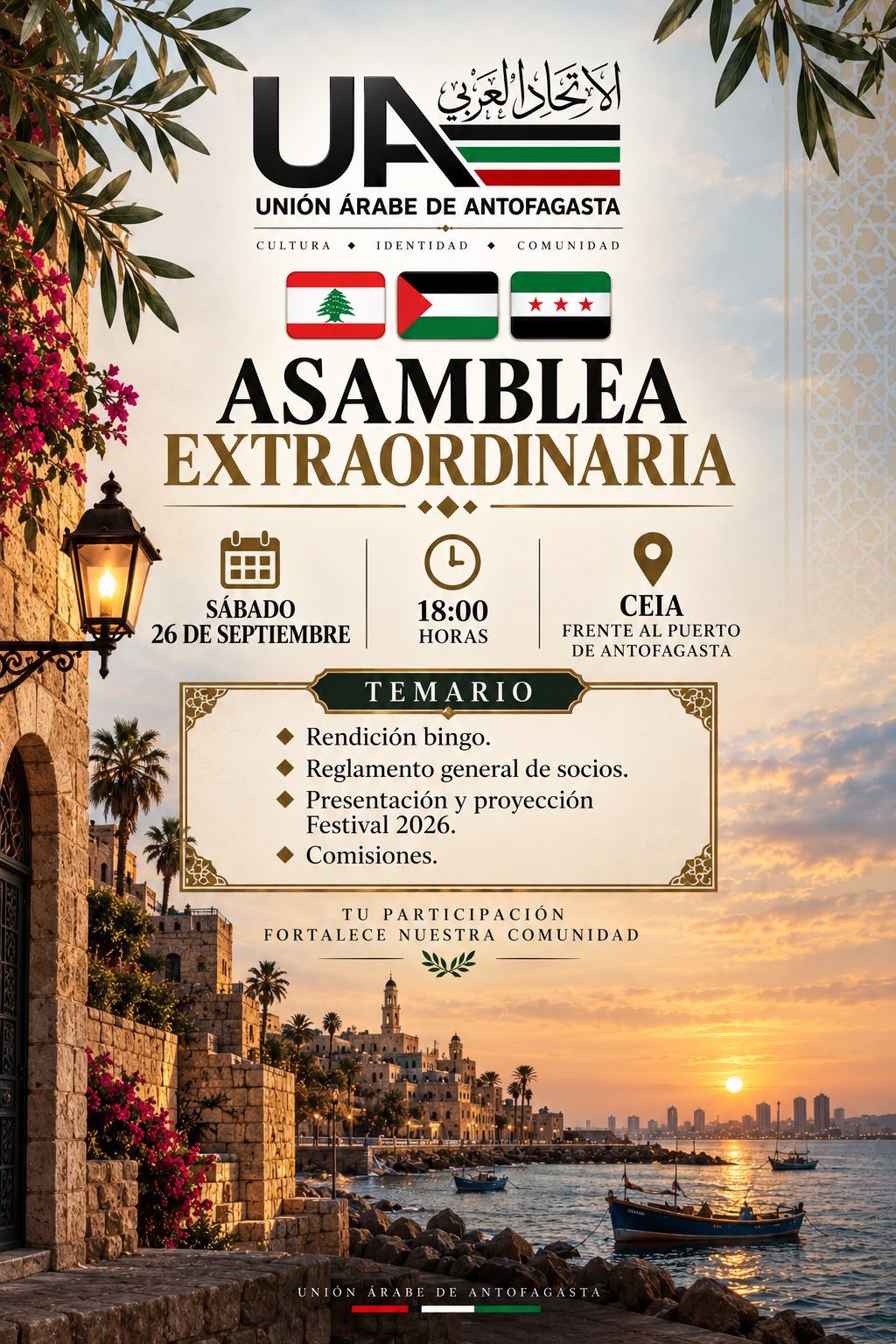
A meeting open to the entire community to learn about the latest news from Unión Árabe de Antofagasta and take part in its upcoming projects.
Coming soon
November 13–15, 2026
Sunday, September 6, 2026
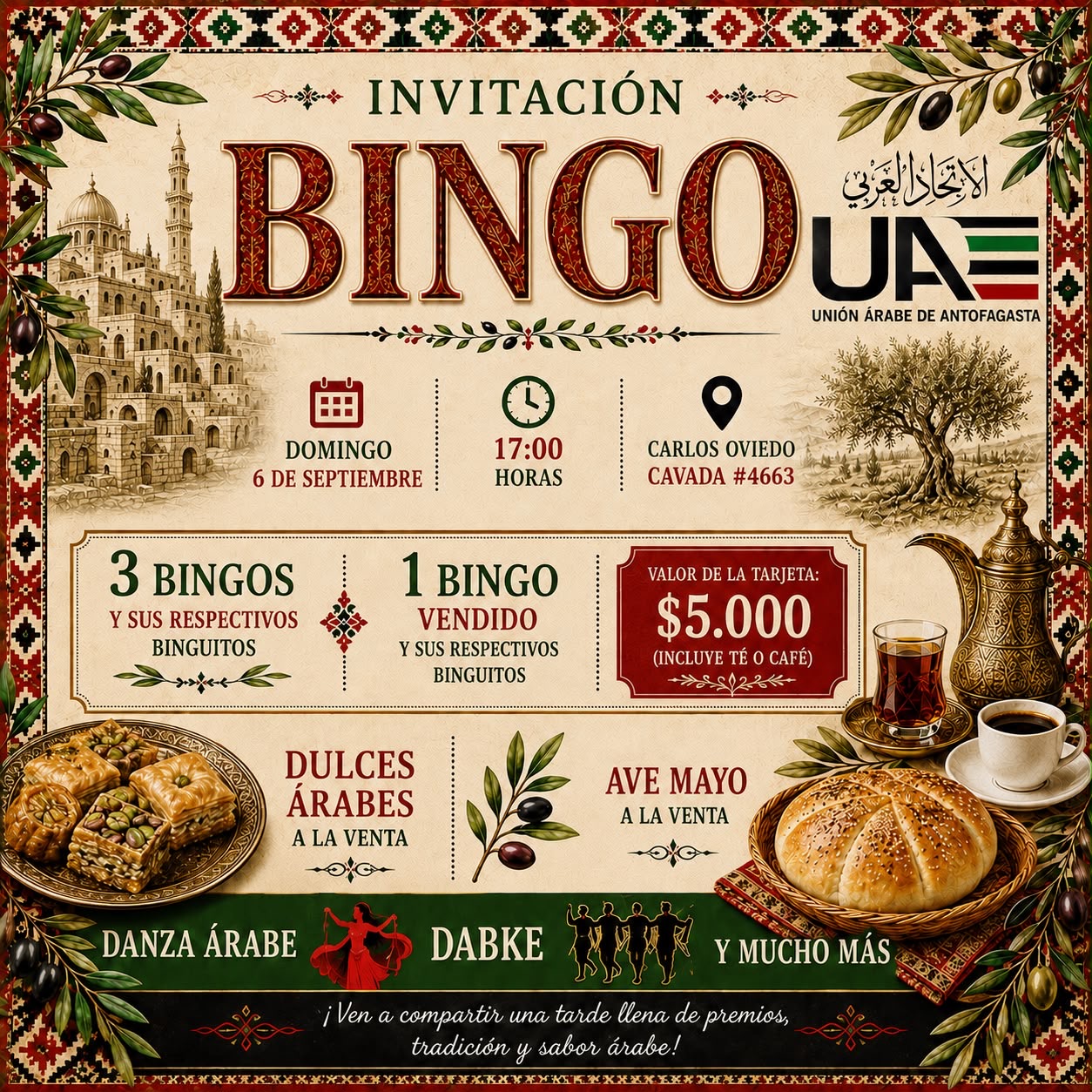
A family afternoon with three bingo games and mini-bingos, a special bingo, Arab sweets, chicken with mayonnaise, Arab dance, dabke and much more.
Memory and tradition
A dedicated space to remember cultural and historical dates that are meaningful to our community.
A date that reaffirms attachment to ancestral land, love of country and the defense of Palestinian identity.
Every March 30, we commemorate Palestinian Land Day, Yawm al-Ard, recalling the 1976 mobilizations in defense of the land and against the expropriation of Palestinian property.
Also known as Evacuation Day, this date represents the Syrian people's struggle for freedom, identity and the right to determine their own destiny.
Every April 17 commemorates the evacuation of the last French troops from Syria in 1946, an event that ended the French Mandate and consolidated national sovereignty.
A day to wear the kufiya and keep alive its cultural meaning and its message of identity, resistance and solidarity.
Every May 11, we commemorate the Palestinian kufiya, a traditional scarf rooted in rural life that over time became a recognized emblem of Palestinian identity.
We honor the memory, identity and resilience of the generations that have kept their culture, traditions and hope alive.
Every May 15, we remember the Nakba: the displacement and suffering endured by the Palestinian people since 1948.
A day symbolizing the sovereignty, unity and identity of the Lebanese people. The full withdrawal of foreign forces was completed later, in 1946.
November 22, 1943 marks Lebanon's political independence from the French Mandate. The date recalls the release of its leading officials, who were detained after promoting reforms aimed at ending colonial rule.
A day to express solidarity and reaffirm the rights of the Palestinian people, including self-determination, independence and sovereignty.
Since 1977, the United Nations has observed this day every November 29. The date recalls the 1947 adoption of Resolution 181 (II) on the partition of Palestine.
Shared stories
Photos of our celebrations, performances and gatherings that keep our roots and community life alive.
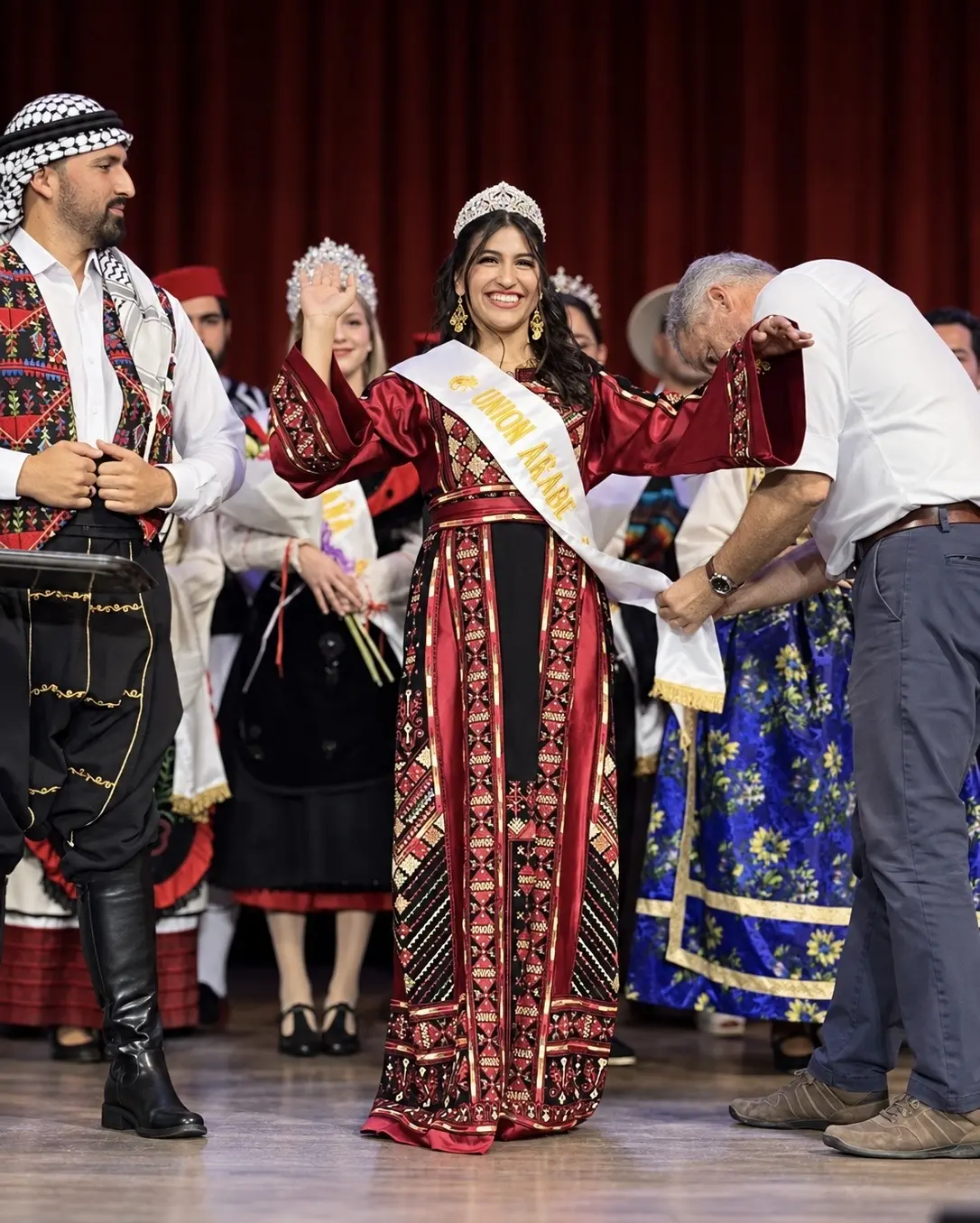
Official coronation · 33rd Festival of Foreign Communities
With elegance, identity and deep pride in their roots, our representatives experienced a moving investiture alongside the city's communities.
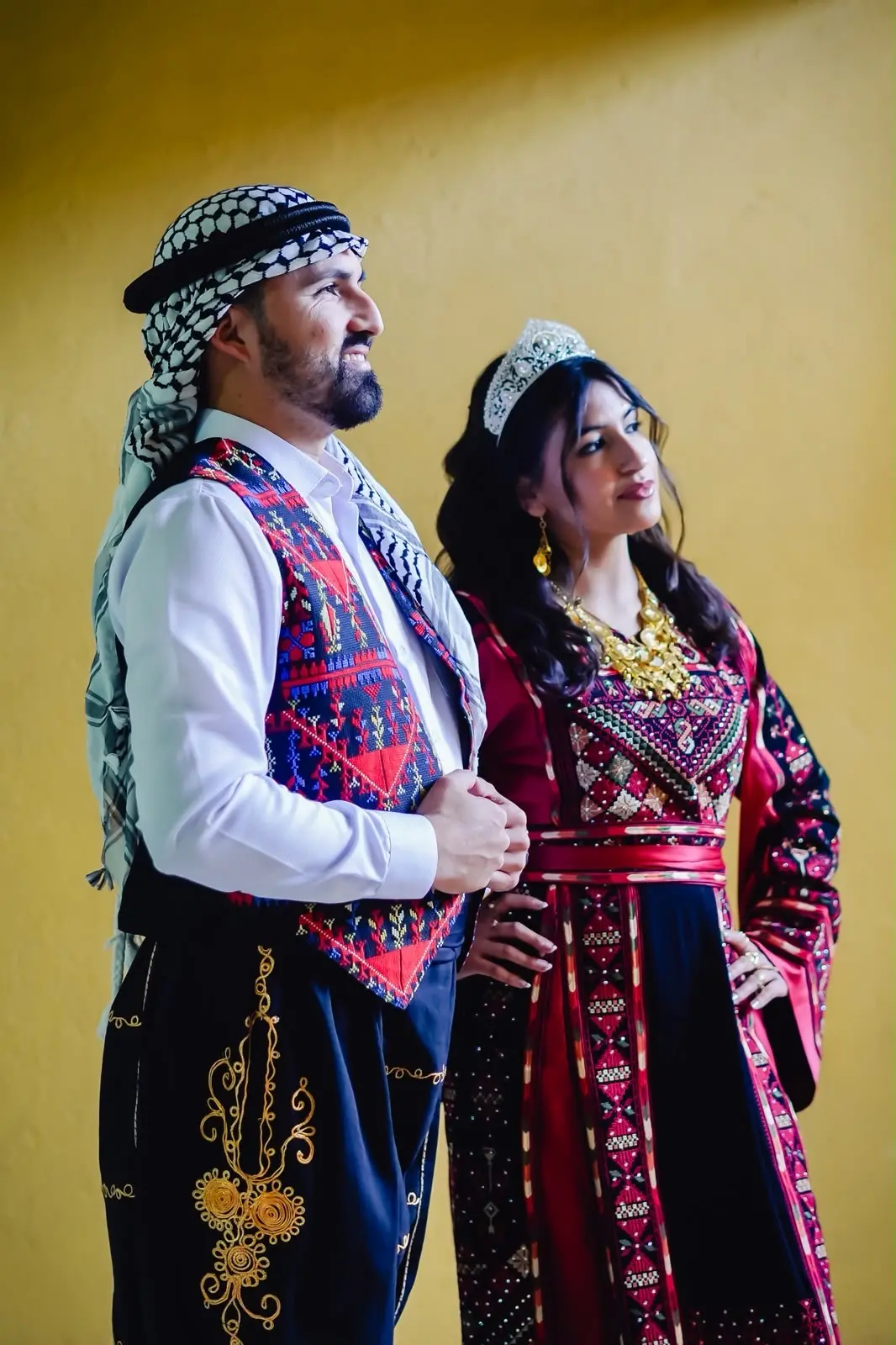
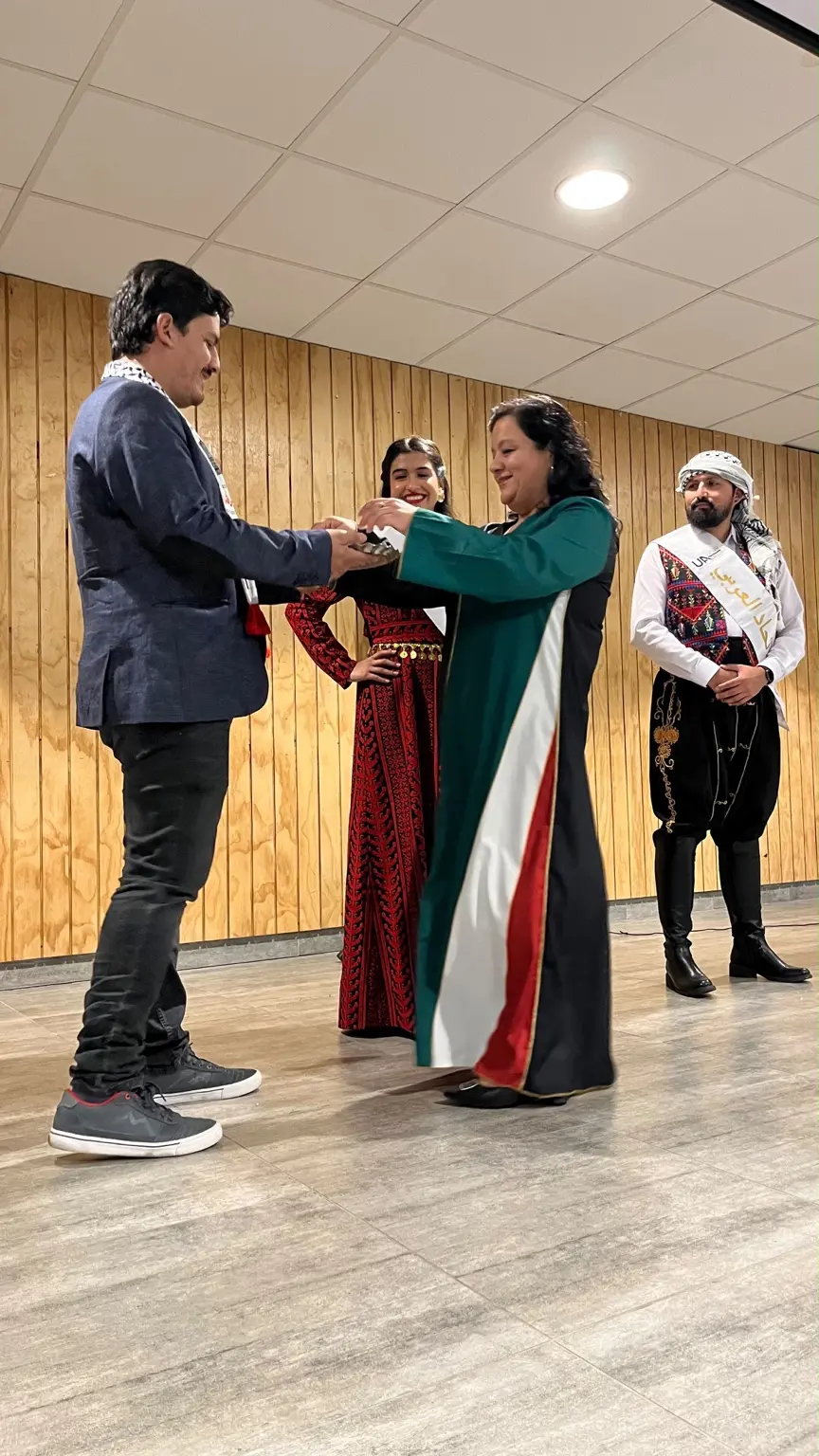
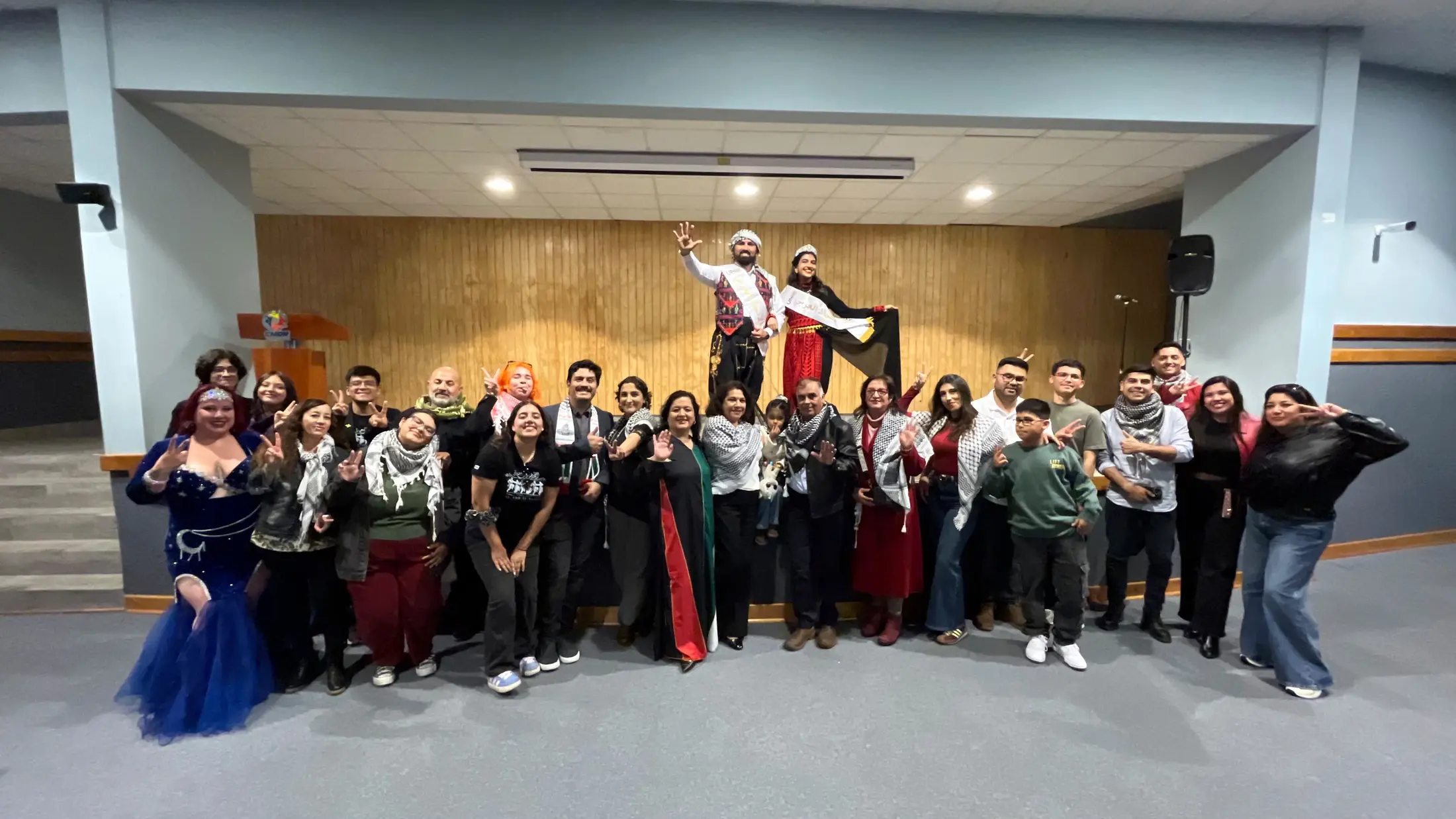
The presentation and investiture of the queens and kings of the 33rd Festival of Foreign Communities took place in the Antofagasta Municipal Auditorium. The ceremony brought together representatives of eleven countries to celebrate our city's roots and cultural diversity.
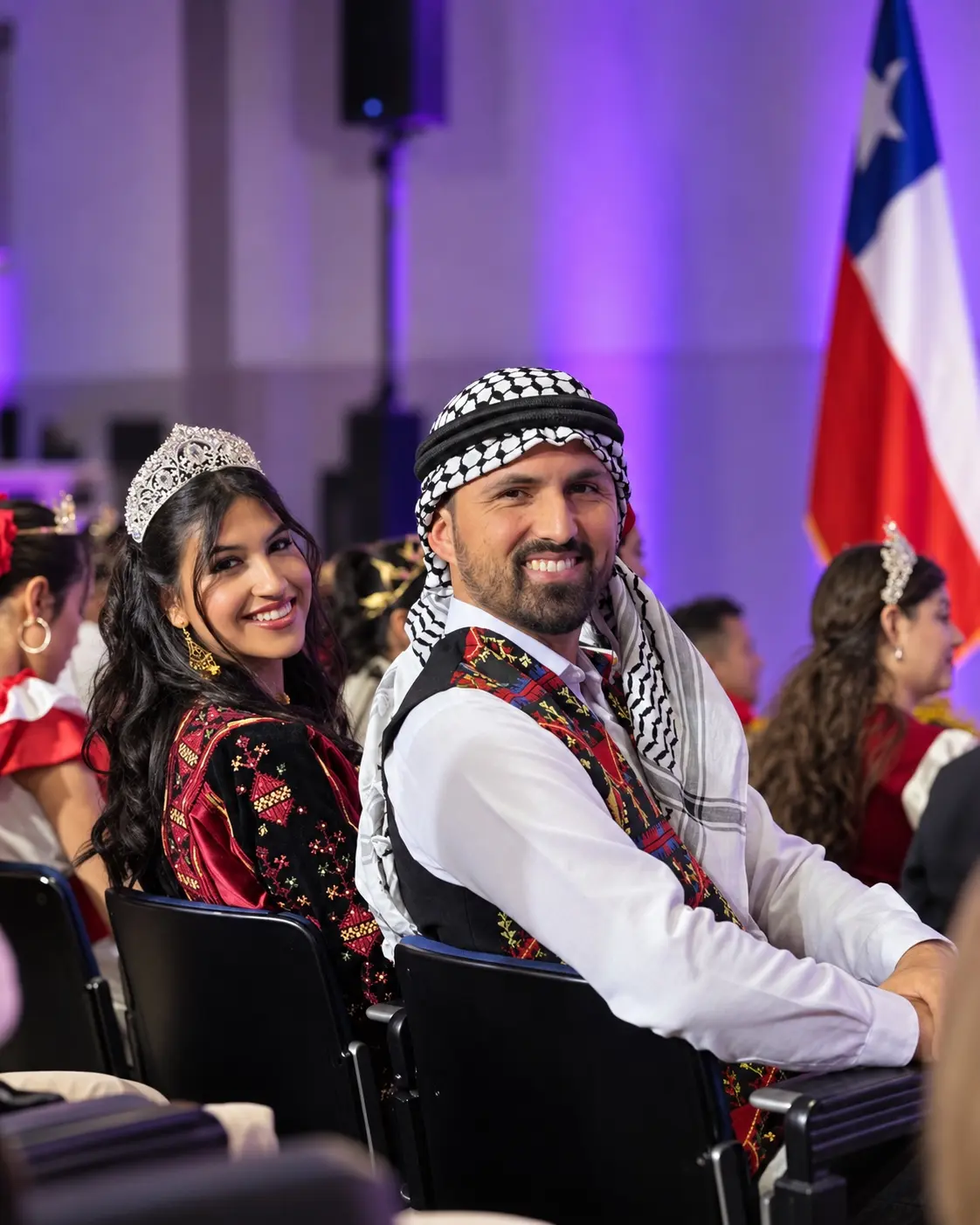
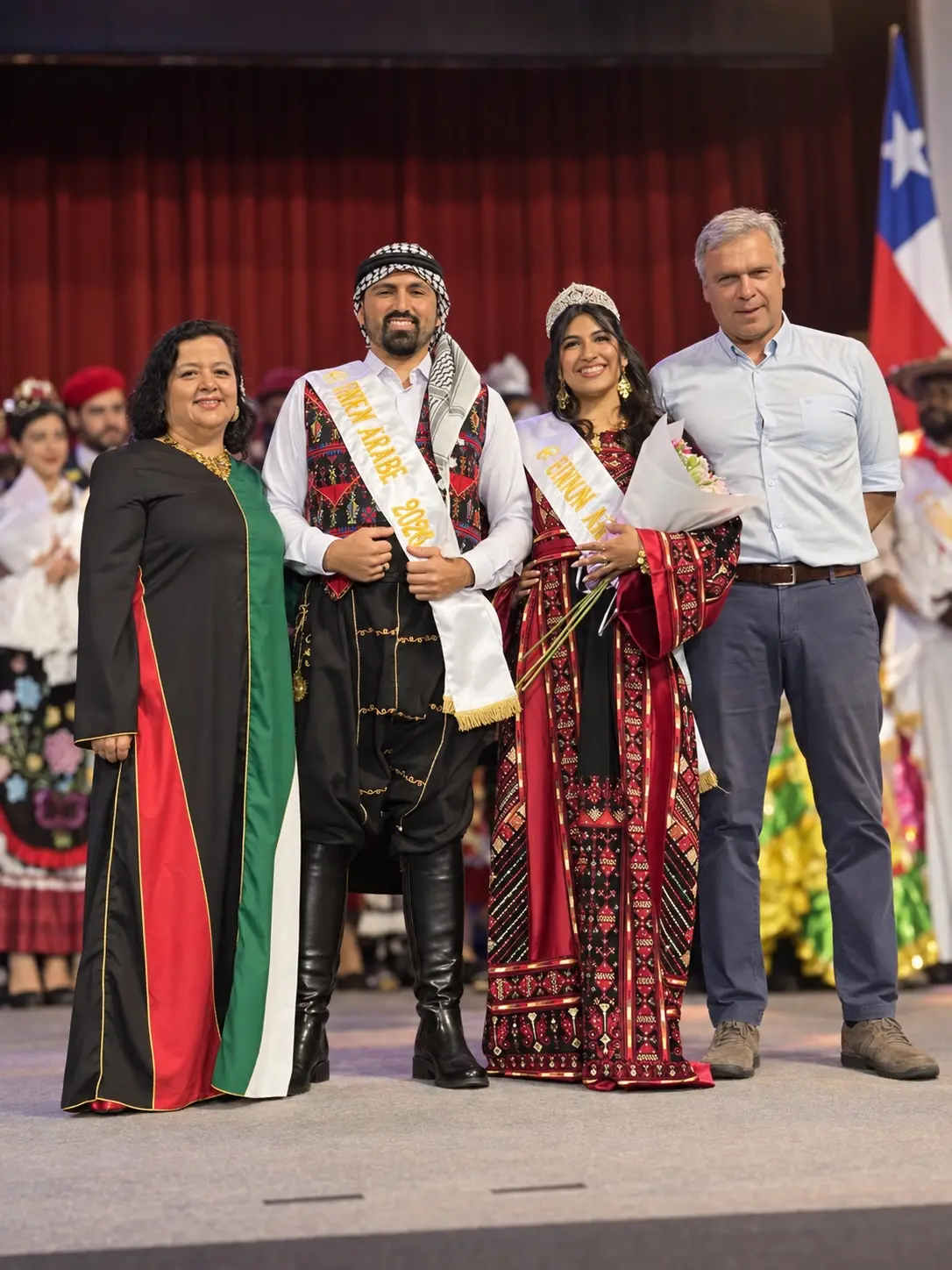
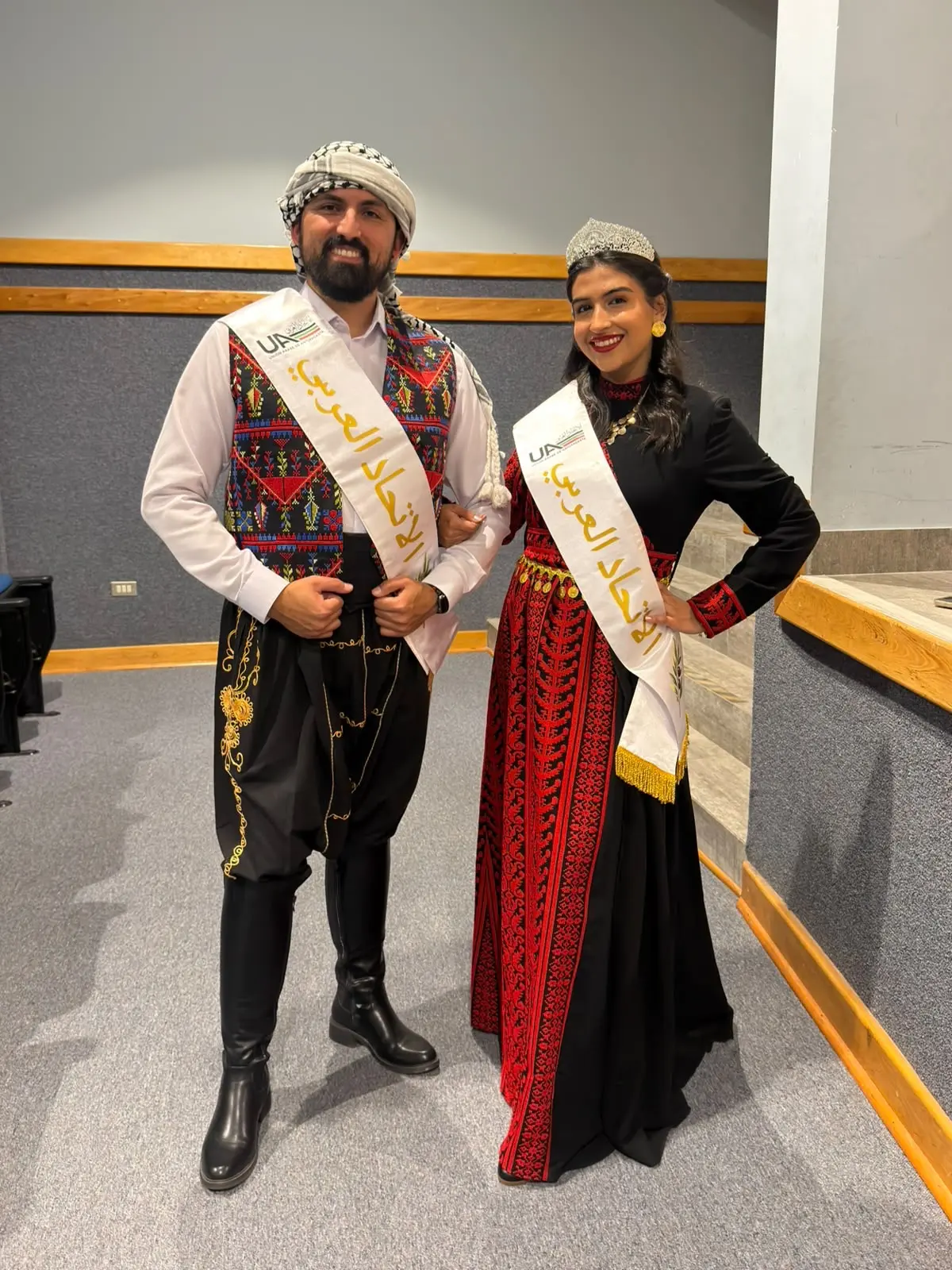
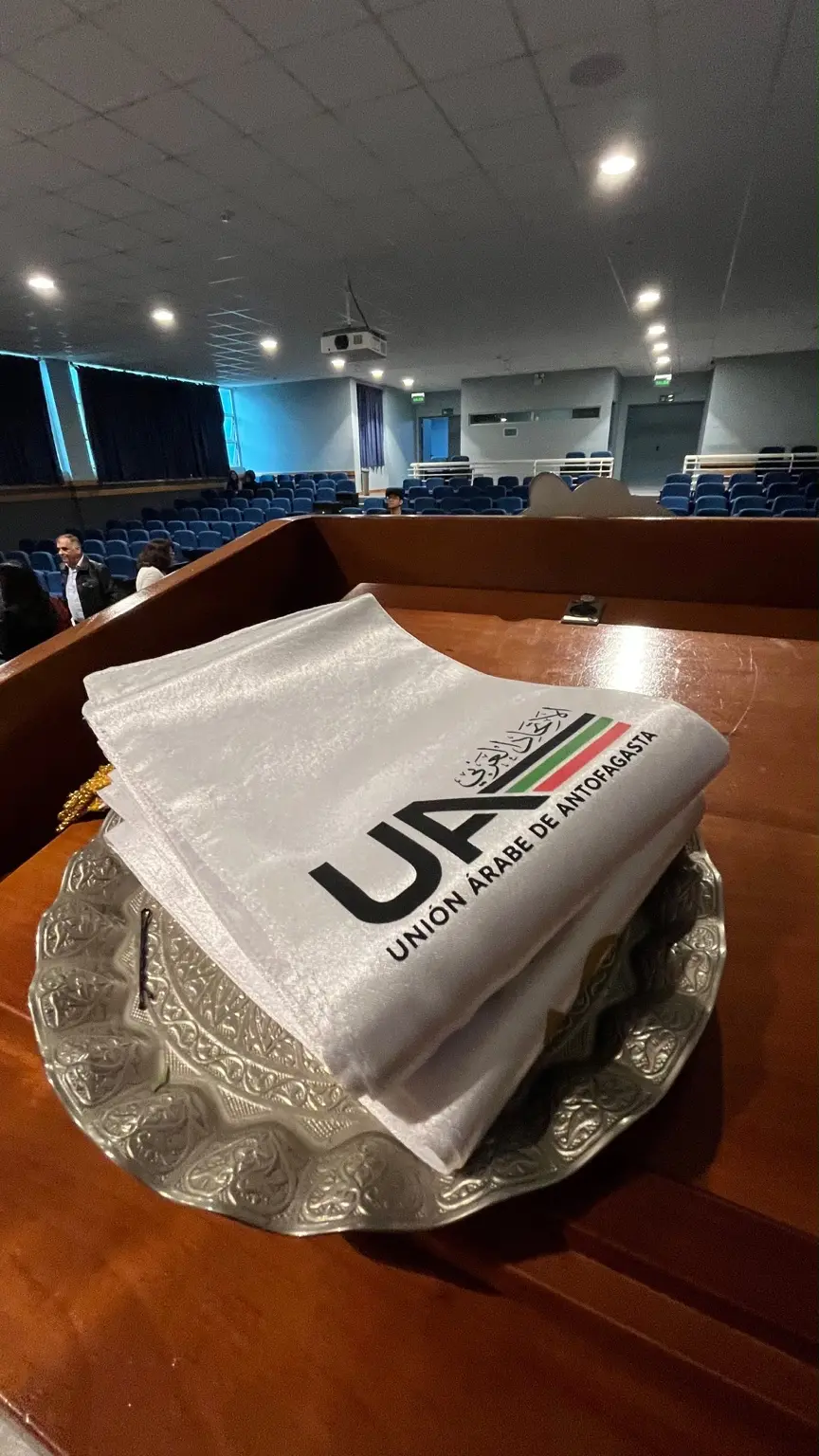
Nazira Henríquez Majluff and Iván Vergara Moreno represented Unión Árabe de Antofagasta with confidence, warmth and respect. Their traditional clothing, presence and joy in every moment powerfully expressed the identity and legacy our institution keeps alive in Antofagasta.
At Unión Árabe de Antofagasta, we are deeply proud of Nazira and Iván for their presentation. Their participation honored our families, those who made this city their home and the new generations who continue to embrace our culture and traditions.
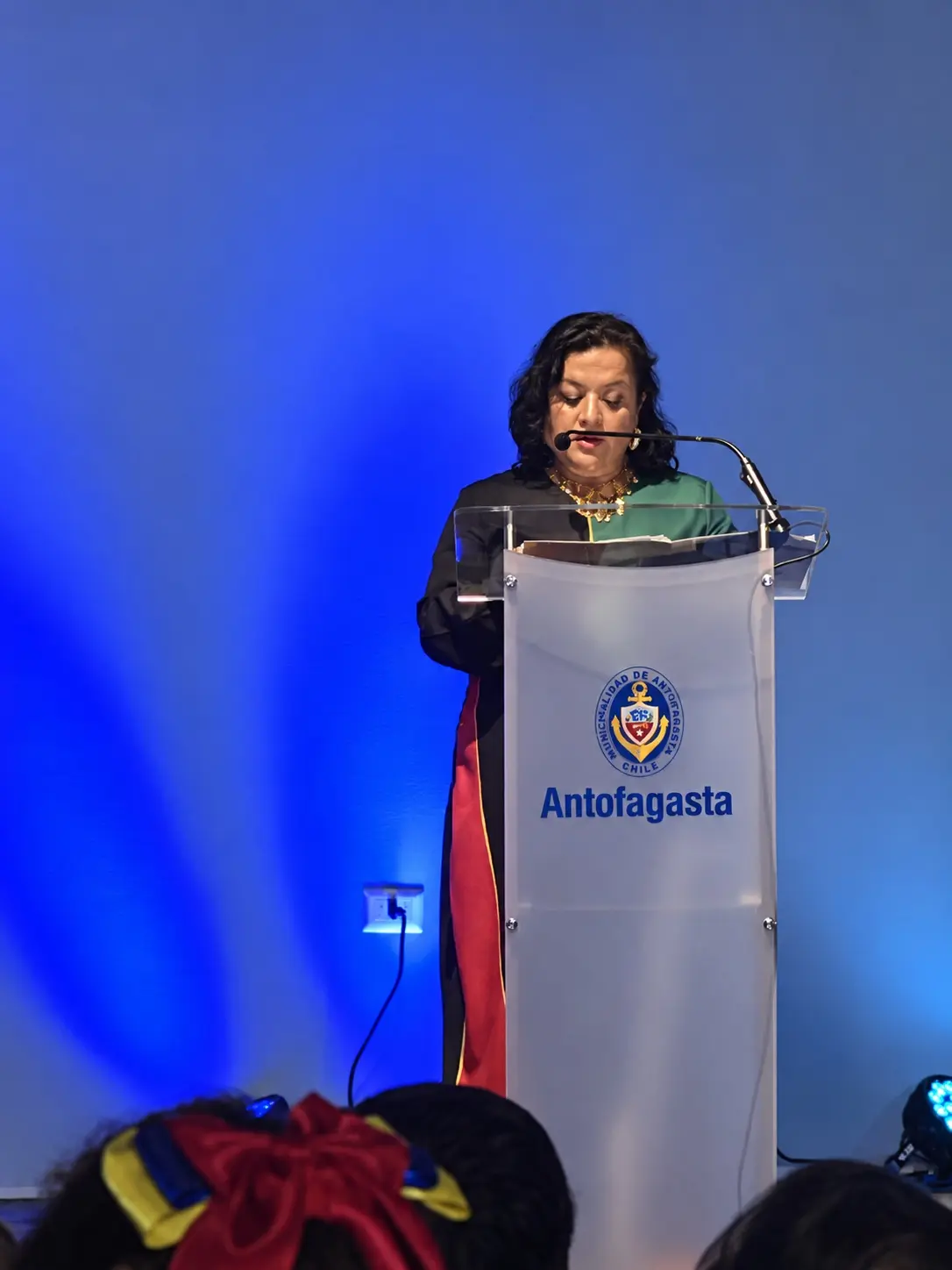
Our president, Verónica Bravo Boggioni, also took part in the ceremony and played a prominent role in this day of gathering and recognition. The event was organized by the Municipality of Antofagasta through its Cultural Corporation, together with the Regional Government and the Cultural Corporation of Foreign Communities of Antofagasta.
The initiative is funded by the Regional Government of Antofagasta through CLP 96,992,023 from the National Regional Development Fund, and by the Municipality of Antofagasta with a contribution of CLP 150,000,000.
Official launch · 33rd edition
Our president led this important milestone through her dual role at the head of Unión Árabe de Antofagasta and the Cultural Corporation of Foreign Communities of Antofagasta.
On Thursday, September 3, the official launch of the 33rd Festival of Foreign Communities took place at the Antofagasta Municipal Theater. Returning after several years, the event brings together the traditions, stories and cultural expressions that are part of our city.
The ceremony was led by Verónica Bravo Boggioni, president of both the Cultural Corporation of Foreign Communities of Antofagasta and Unión Árabe de Antofagasta. In her remarks, she highlighted the historic contribution of those who arrived from around the world and helped build Antofagasta, as well as the value of the new communities enriching its identity today.
The launch brought together representatives of different communities and regional and local authorities, renewing the commitment to work together for a city that recognizes and celebrates its diversity.
Our institution is deeply proud to see Verónica lead this important space. Her work reflects Unión Árabe's commitment to intercultural encounters, the memory of our roots and the building of a more united community.
Coronation event
Nazira Henríquez Majluff&Iván Vergara Moreno
A day of gathering, tradition and pride in our roots, shared with the Unión Árabe de Antofagasta community.
Our roots
We honor the memory of our families and of those who came from distant lands, opened paths, built a new home and brought us here. Their stories, affection and traditions live on in every new generation.
Siempre en nuestra memoria
Siempre en nuestra memoria
Siempre en nuestra memoria
Siempre en nuestra memoria
Siempre en nuestra memoria
Siempre en nuestra memoria
Siempre en nuestra memoria
Siempre en nuestra memoria
Siempre en nuestra memoria
Siempre en nuestra memoria
“Those who planted our roots continue to bloom in our memory.”
Your feedback helps us
Leave us a comment, a compliment or a suggestion to help us continue growing as a community.
We will soon share our community's feedback here.